
Blog

  • 12 Bad Skin Habits Your Dermatologist Wishes You’d Break

    12 Bad Skin Habits Your Dermatologist Wishes You’d Break

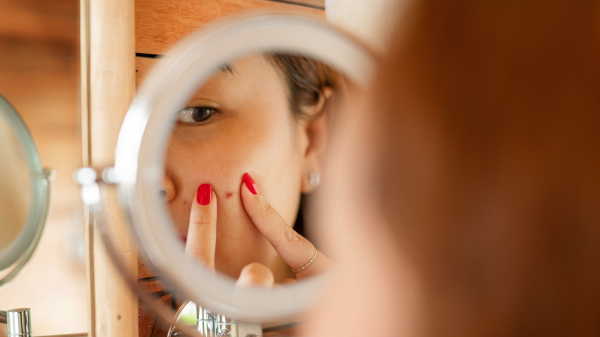
    Person squeezing spot on face while looking in mirrorPhoto: Adobe StockSave StorySave this storySave StorySave this story

    Bad habits: We're all guilty of them—and most aren't a big deal. Who hasn’t watched hours of Friends reruns with a bag of Cape Cod chips on a sleepless night? But then there are the bad habits that can sneakily sabotage our skin, and when wrinkles are looming, things get a little more personal. There’s the stuff we do mindlessly that can lead to hair breakage (what?), well-intentioned purchases that undermine our skin care’s wrinkle-smoothing potential (why?!), and good old-fashioned forgetfulness (we swear to wear sunscreen tomorrow).

    When we asked dermatologists which bad habits they most wish people would break for the sake of their skin health, some answers were not surprising (wash your face before bed, don’t pop pimples); but the advice they gave for breaking these tendencies and forming good habits instead was stuff we hadn’t been told before. They offered a wealth of simple, effective tips that might just help us crawl into bed with clean skin every night and protect it from the sun each day. (Put sunscreen next to our toothbrush? Genius! Our skin thanks you, Corey Hartman, MD!)

    Each doctor interviewed mentioned that we should not be following skin-care trends blindly—our sincere apologies to the industry!—and to avoid giving up on a formula too quickly. “Skin care is a long game,” says Laurel Naversen Geraghty, MD, a board-certified dermatologist in Medford, Oregon. “It’s not how much you blast your face with new ingredients; it's the good, proven steps that you stick to over time.”

    Here’s how to make that long game work in your favor—and how to recognize and quit all of the habits that might be undermining your skin along the way.

    Treating skin care like fashion trends

    We shudder to think of candy-colored Juicy Couture tracksuits and low-rise jeans from the ’90s, but one day, we might also look back and wonder why we ever embraced slugging (remember when everyone was coating their face in petroleum jelly?) or bought so many peels. “We don’t need to be on some continual holy grail quest to find the ultimate new skin-care product,” says Dr. Geraghty, “and you shouldn’t feel like you need to throw every possible ingredient at your complexion or spend a lot of money to have healthy, glowing skin. Keep your regimen simple but consistent, relying on proven ingredients rather than trendy TikTok ones. Trends come and go, but your skin has to last you a lifetime.”

    Shopping for new skin care has been a thing for as long as skin care has been a thing. But there’s a new, almost compulsive willingness to buy more, and to do so more frequently in order to keep up with what’s buzzy (exosomes! PDRN! growth factors!). “The idea [is] that looking good for our time isn’t just about things like eyebrow shape; now it's how good your skin is,” says Ava Shamban, MD, a board-certified dermatologist in Los Angeles.

    The worst-case scenario is spending a lot of money on products that ultimately wreak havoc on your skin. “I have some young, female patients who tend to overdo it—they pile on multiple active ingredients or products at once, or they keep throwing new treatments at their skin, over and over,” says Dr. Geraghty. They can wind up with skin reactions like bumps, flakes, or itchy rashes, she adds, or a generally compromised, fragile skin barrier. “These conditions can take time, a dermatologist consultation, and medication to calm and reverse.”

    And just because a friend or random influencer swears by a peel for achieving glass skin, that doesn’t mean it’s right for your skin, says Corey Hartman, MD, a board-certified dermatologist in Birmingham, Alabama. If you’re jumping around a lot and a product causes you to break out or makes your skin flare up, it can be “hard to tell what’s causing the problem and what’s actually helping your skin,” he explains.

    Dr. Shamban agrees. She is increasingly finding herself playing detective for “young patients who are really obsessed with not getting old,” she says. They may jump on one too many trends and “come in and their skin's all on fire. I’ll ask, ‘Okay, three weeks ago, what were you doing?’”

    A good rule of thumb, says Dr. Geraghty, is “don’t introduce more than one new product or ingredient at a time, or try multiple new products in any given week.”

    Some trends to be especially careful with are slugging (“I see a lot of breakouts from this,” says Dr. Shamban), alpha hydroxy acids (“a double-edged sword that irritates some folks,” says Dr. Hartman), and, for the love of all that’s holy, injectable peptides. “Younger people are using a tanning one,” Dr. Shamban says, and “the risk is that you're stimulating melanocytes everywhere in the body. There are some in the central nervous system and in the internal genital—and you don't know if you're inadvertently stimulating a precancerous melanoma cell.”

    But even if you’re not taxing your skin outright, you are robbing it of the chance to get all the benefits from a product if you give up on it prematurely. “People don't give their products enough time to work before they hop from one to the next,” says Dr. Hartman. If a formula contains tried-and-true ingredients and it is not irritating you, “stick with it for at least three months to really give it time to work. Be consistent.”

    With peptides in moisturizers and serums, for example, “people expect so much of them, but the bottom line is that they're overpromising and underdelivering in the short period of time that people want them to work,” says Dr. Shamban. “You have to wait two or three months to really get a significant change.” Even with retinoids—a proven ingredient for smoothing lines and brightening skin—“we know from good studies that it really takes six months [to see meaningful results].”

    So, instead of following fads or jumping around, “stick to what’s withstood the test of time, and to what works for your skin type,” says Dr. Geraghty. Peptides can be great for smoothing; niacinamide and vitamin C are solid brighteners; salicylic acid is known for helping to manage acne; and retinol is ideal for… well, everyone, really. “Don't give up on a proven ingredient after a few days or a week,” she adds.

    When in doubt: Occam’s razor applies to skin care too. By that we mean the simplest solution is often the right one. The sun is the number one cause of skin aging, so the single best thing you can do is “protect from sunshine with sunscreen, hats, sunglasses, and clothing,” says Dr. Geraghty. And speaking of UV rays…

    Seeking the sun

    Indoor tanning, laying out, and getting sunburned are what Dr. Geraghty considers the worst habits for your skin. The new and, frankly, reckless anti-sunscreen movement has a lot to say about this, but the fact remains: “Ultraviolet light is a proven carcinogen. It increases the risk of skin cancer and precancers, while damaging the skin, causing dark spots, sagging, and wrinkling that can be very difficult or impossible to reverse,” Dr. Geraghty explains. “UV light raises the risk for cancer, just like smoking and asbestos raise the risk of cancer. Patients tell me they think they look better when they are tan—do they also think they look better when they smoke?”

    If you’re chasing the sun for vitamin D, Dr. Geraghty suggests getting it from your diet (cheese, egg yolks, and fortified milk are all good sources) or supplements, “rather than raising the risk of cancer and sun damage.” If you simply like the way it feels to be out in the sun or in a tanning bed, she wants you to consider the fact that these habits have “been shown to be physiologically addictive, just like using opioid drugs.” Just because something makes you feel good, doesn’t mean it’s necessarily healthy. “Too much sun and any indoor tanning causes definite harm to our skin,” she says.

    For Dr. Shamban’s patients who might say, “Well, I was just laying out for two hours, it's not that bad,” her response is: “It is that bad. We know that ultraviolet exposure is the number one cause of premature aging and skin cancer.” And it's not just bad for your skin, she points out, “it's bad for your internal organs because you're compromising the ability of your skin's immune function—we know that sun exposure exacerbates lupus and other autoimmune conditions."

    There’s also the fact that having skin cancer removed can be more complex in some cases than others. On areas that don’t have a lot of laxity (if you pinch the nose, eyelids, and ears, for example, you’ll notice there’s not a lot of extra skin there), removing skin cancer can leave a wound that requires a skin graft (taking nearby healthy tissue) to cover it, which can leave a scar. C’mon, isn’t the prospect of a scar on your nose another good reason to reach for sunscreen daily?

    The flip side of this is that simply by using sunscreen, you are doing something amazing for your skin: protecting yourself against skin cancer, wrinkles, and hyperpigmentation. There are mineral and chemical options, sheer formulas that are undetectable on skin, and sprays for quick touch-ups. It’s so much easier to put on sunscreen (with an SPF 35 or higher) than it is to use a million other skin-care products to try to reverse wrinkles and sun spots once you have them.

    “Self-tanners or makeup [such as bronzers or tinted moisturizers] are safe ways to give skin a tan appearance, if that’s what you’re going for,” says Dr. Geraghty, though she’d much rather “we all love and embrace our natural skin tone, rather than trying to change it.”

    You’re not actively looking to get tan, but you do skip sunscreen some days

    You know the sun is bad for your skin. You know that sunscreen is the answer. It’s just that the mornings are so busy and you’re only outside for, like, an hour total each day, so do you really need to wear SPF all the time? The answer from dermatologists—the people who look at skin cancer and wrinkles and sun spots all day long—is yes. You get more sun than you’d think just driving around in your car, says Dr. Shamban.

    To prevent premature aging, new and deepening wrinkles, hyperpigmentation, not to mention skin cancers, “we want people to wear sunscreen every day,” says Dr. Hartman. “Look, just develop a habit: Keep your sunscreen by your toothbrush so that it’s built into your routine. It’s something you do every single day after brushing your teeth. That way you don't have to wonder and guess if you put it on.” If you get into the habit of doing it at the same point in your routine every day, “then you don't have to think about it.”

    Make sure to cover easy-to-miss areas, like between the brows, above the upper lip, sides of the nose and nostrils, around the temples, and the ears. If your eyes tend to be sensitive, there are workarounds for the area: mineral sunscreens are gentle on the undereyes; the waxier formulas of SPF sticks can be great for covering the brow bones without it melting closer to the eyes; and, of course, there are always cute hats and UV-protective sunglasses.

    Popping pimples

    It’s sitting right there on your face. The urge to squeeze it can be overwhelming. This might be the hardest of bad skin habits to break, in Dr. Hartman’s opinion, “because we’re all human,” he says. “I’m guilty of it myself.”

    Instead of telling you to quit cold turkey, though, he’s willing to compromise. “You get one good squeeze [per day],” Dr. Hartman says. If the pimple is ready to come to a head, it will. If it does (lucky you!), cover the area with a pimple patch. Even successful popping can mean that the skin barrier has been broken. “The patch gives a protective layer to help the skin heal faster.”

    If the plug (that solid-feeling clump of oil and debris that’s inside some pimples) “doesn’t come out with that squeeze, leave it alone—it’s deep-seated,” Dr. Hartman explains, or it’s an inflammatory lesion that’s filled with fluid (and not as satisfying to pop). It’s hands off until tomorrow: “You can squeeze all day and all you're going to do is aggravate that pimple more,” he says. Continuing to mess with it can push bacteria and pore-clogging gunk even deeper into the pimple—which is as counterproductive as it sounds, because then it takes longer to heal—and can increase your chances for post-inflammatory hyperpigmentation (the dark spots some pimples leave behind).

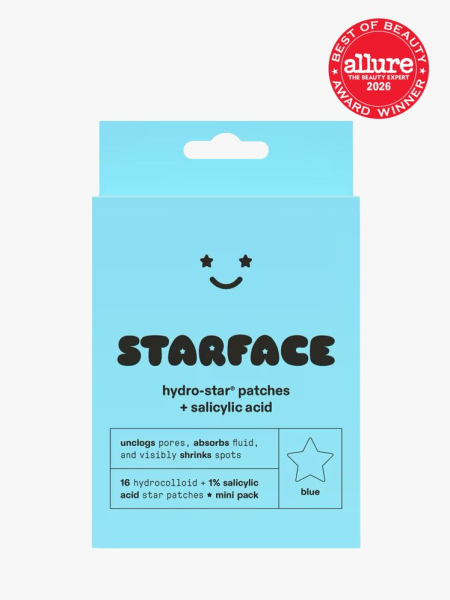
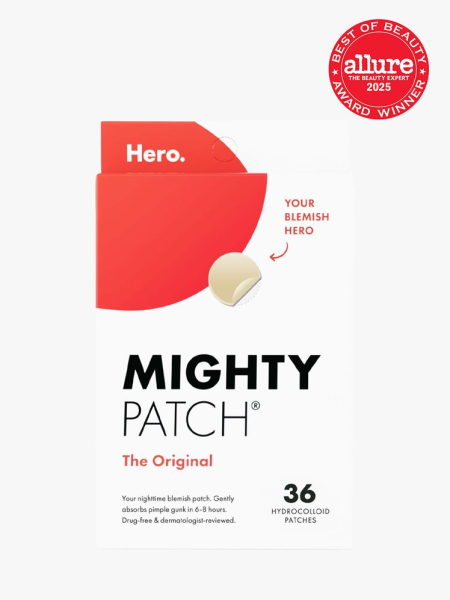
    Your best bet is to cover the pimple with a 2% salicylic acid spot treatment (which can draw out extra oil and help shrink the pimple) or a hydrocolloid salicylic acid pimple patch—after all, it’s impossible to pick at something that’s covered up, says Dr. Hartman. We like Ceravé Acne Control Gel, Starface Hydro-Star Patches, and Hero Mighty Patch.
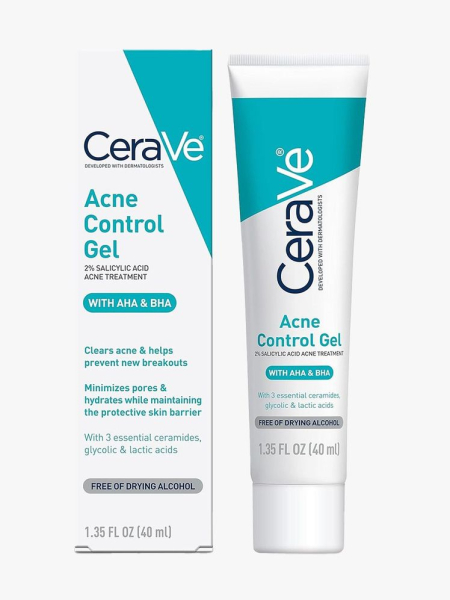
    CeraVe Salicylic Acid Acne Control GelSave to wishlistSave to wishlist

    CeraVe

    Acne Control Gel

    $21 $16 (24% off)

    Amazon

    Starface Hydro-Star + Salicylic Acid in branded component on a light gray background with the 2026 best of beauty seal in the top right cornerSave to wishlistSave to wishlist

    Best Sticker Spot Treatment

    Starface Hydro-Star + Salicylic Acid

    $30 $23 (23% off)

    Amazon

    Mighty Patch Original in branded white and red box packaging on light gray background with red Allure Best of Beauty seal in the top right cornerSave to wishlistSave to wishlist

    Hero Cosmetics

    Hero Mighty Patch The Original

    $13 $10 (23% off)

    Amazon

    Washing your face too much…

    As they say, the road to hell is paved with good intentions—but also, maybe with washcloths and oil cleansers? “People get very exuberant with their cleansing technique,” says Dr. Hartman. Trying to get a little exfoliation in—by using a washcloth, nubby silicone brush, or mesh sponge—while you cleanse your face “is just too aggressive and can lead to problems,” he explains. Those include redness, irritation, breakouts, and dryness.

    Likewise, while double-cleansing—which refers to using two different face washes, usually an oil-based or micellar cleanser, followed by a gentle cream or gel cleanser—can be relaxing, it’s a ritual best left for oily skin and days when you wear a full beat of makeup. “I just think more people are double-cleansing than really need to be, and they end up over-cleansing,” says Dr. Hartman. That can dry out skin and cause irritation. “I like the double-cleanse method for removing makeup and allowing a medicated cleanser for acne to have access to your bare skin… but double-cleansing isn't really necessary if you're not removing a layer of makeup.”

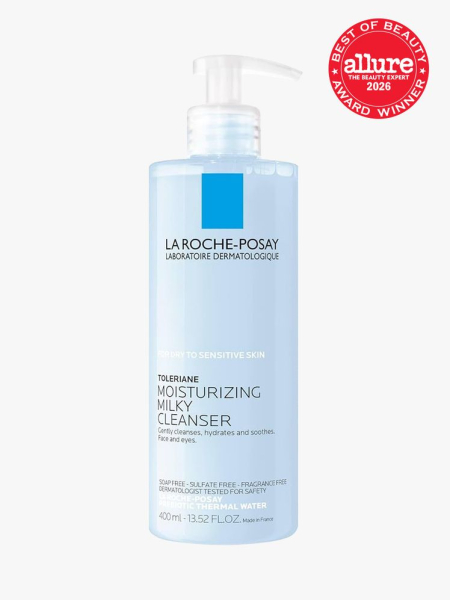
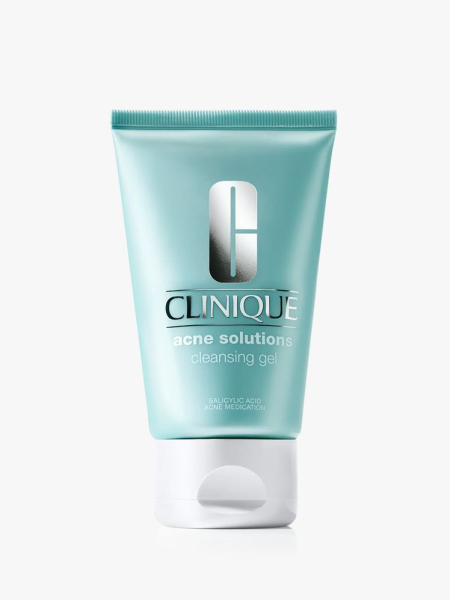
    His advice: Pare down your cleansing routine to one good, gentle cleanser. Look for fragrance-free options, and if you are acne-prone, choose oil-free cleansers with ingredients to help treat and prevent breakouts, such as salicylic acid. We like Cetaphil Daily Facial Cleanser for a gentle foaming option, La Roche-Posay Toleriane Moisturizing Milky Cleanser for a creamy daily face wash, and Clinique Acne Solutions Cleansing Gel for managing breakouts.
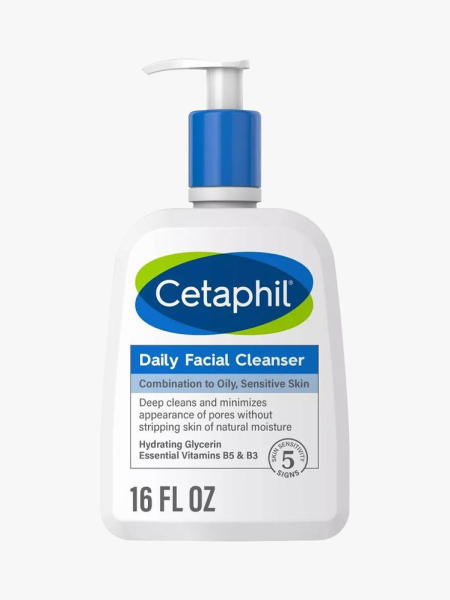
    Image may contain: Bottle, Lotion, Cosmetics, and PerfumeSave to wishlistSave to wishlist

    Cetaphil

    Cetaphil Daily Facial Cleanser

    $17 $12 (29% off)

    Amazon

    $17

    Ulta Beauty

    La Roche-Posay Toleriane Moisturizing Milky Cleanser light blue bottle of cleanser with pump cap on light gray background with red Allure Best of Beauty seal in the top right cornerSave to wishlistSave to wishlist

    Best Cream Cleanser

    La Roche-Posay Toleriane Moisturizing Milky Facial Cleanser

    $20 $15 (25% off)

    Amazon

    Image may contain: Bottle, Lotion, Aftershave, Shaker, and CosmeticsSave to wishlistSave to wishlist

    Clinique

    Acne Solutions Cleansing Gel

    $29

    Ulta Beauty

    $29

    Clinique

    Picking at your skin

    “People develop this habit for a multitude of reasons,” says Rachel Nazarian, MD, a board-certified dermatologist in New York City. “Some people truly believe they can ‘clean’ a pimple out, and the discomfort of a blackhead or whitehead may be too tempting to ignore. Others use their skin as a target for releasing anxiety, and pick to address an underlying emotional trigger.”

    Picking may be directed at healthy skin, hair, scalp, pimples, or moles. “People feel shame around it and may go to great lengths to hide it. It's really helpful to understand that you’re not alone, and speaking to your board-certified dermatologist can be very helpful,” Dr. Nazarian says. “We understand that there's a large range of reasons that people form these habits and can offer effective tools to break them.”

    One way Dr. Nazarian helps her patients, she says, is by giving them ideas for “redirecting the energy and fixation.” Keep fidget toys and squeeze balls on hand to fiddle with instead of picking, and make sure nails stay “super short—that makes it difficult to pick,” she adds.

    Jeanine Downie, MD, a board-certified dermatologist in Montclair, New Jersey, says we should not underestimate the value of exercising more as a way to release nervous energy and stress, as that is often what’s fueling the habit. When the picking targets pimples, she helps her patients find other ways to wield control over breakouts, so they may be less tempted to dig into them. “I give them tangible stuff to do, like following a Mediterranean diet, no alcohol, and limiting their soy intake, because soy has an estrogenic influence and that can aggravate anybody's acne,” she explains.

    This tactic works for patients who can stop and say, “Okay, I shouldn’t eat soy,” or “I need to go for a 20-minute walk,” and then “they can link that to not picking. It’s like giving them homework to do,” she adds. Because knowledge is power, Dr. Downie also shows her patients pictures of keloid scars, which are raised scars caused by trauma to the skin, such as picking. Sometimes that’s enough to deter them.

    “The risk of tissue damage and scarring is high, and picking or pulling at the scalp can even result in permanent hair loss,” says Dr. Nazarian. “Allow other people to help you. That alone can be quite effective, because often, people who are picking are unaware of their own habit—they pick absentmindedly.” Ask close family and friends to “make you aware and gently redirect you if they see you engaging in this habit—that can be very effective for quitting.”

    While some people may pick or scratch at their skin every once in a while—and covering a bug bite with a Band-Aid, say, is enough of a deterrent—the compulsive urge to pick may be a condition known as dermatillomania, which can also be helped by cognitive behavioral therapy.

    Scratching your scalp

    A dry, tight, itchy scalp can be hard to ignore. Instead of letting yourself mindlessly (or sometimes zealously) scratch the itch, try switching your shampoo and conditioner to get rid of scalp issues in the first place, says Dr. Downie. Scratching an itchy scalp a couple of times a day or in bed at night may seem harmless enough, but this can actually cause breakage, as explained in a 2024 study published in the Archives of Dermatological Research, and potentially even lead to thinning hair, says Dr. Downie.

    Let’s say you dye your hair, which weakens your strands, Dr. Downie posits. Maybe you're perimenopausal or menopausal, which can weaken them further: “Then you're adding the tension of scratching? Seriously?”

    Dr. Downie continues, “You can comb your hair, but don't scratch. Don't twist it when you're in meetings. Just leave it alone.” It can take less than a week to cause breakage, she says, and once you’ve damaged the hair, it can take about two or three months of no scratching to repair. “It's really quite annoying.”

    Anti-inflammatory shampoos can help calm the scalp. Over-the-counter formulas may use ingredients such as pyrithione zinc to address dandruff-causing yeast, while prescription shampoos may contain clobetasol. This corticosteroid can help with managing persistent itchiness from conditions such as scalp psoriasis (one of the most common forms of psoriasis, according to a study published in the journal Dermatology and Therapy).

    Because itchiness can be caused by different factors—scalp psoriasis, dandruff, a reaction to an ingredient in your shampoo or styling products, dryness from blow-drying—seeing a dermatologist can help you figure out why you’re itchy and what you can do about it, so you don’t have to keep on scratching.

    Smoking (cigarettes, yes, but also weed)

    We already know that there are lots of very good reasons not to smoke (and that includes vaping and using a hookah). Here’s another: “It decreases the oxygen supply to the face, and makes eczema, psoriasis, acne, wrinkles, hair loss—a thousand different things—worse,” says Dr. Downie. No matter what you’re smoking, it is “oxidizing your skin, and that delivers pollutants to the surface of the skin, which is exactly what you don't want to do.”

    Vanity isn’t the only reason to quit smoking, of course, but it can be a powerful motivator. “Smoking is a known carcinogen—let's not be ridiculous and forget about the facts,” Dr. Downie cautions.

    “Forgetting” to wash your face at night

    “Sleeping with makeup on is not just a bad habit, it's also a dirty habit. Aside from staining your sheets, not cleansing the face before bedtime can lead to several skin problems,” says Dr. Nazarian. “Makeup, which is often oil-based, can clog delicate pores on the face, and around the eyes can be a source of infection and irritation like styes.” (If you’ve ever had a stye, you know how unpleasant those painful red bumps along the lashline can be, and how time-consuming treating them with hot water compresses is.)

    Even on those days when you don’t wear makeup, you probably went outside at some point. “Environmental pollutants, dirt, and bacteria that accumulate on the skin during the daytime can cause oxidative stress, inflammation, and loss of collagen and elastin, leading to premature aging,” Dr. Nazarian says.

    If that’s not reason enough to wash your face before turning in, we don’t know what is. But that all seems much less urgent around 10 p.m., doesn’t it? “The major reasons that people don't wash their face at night are lack of knowledge on how detrimental it is—most people don't realize they're accelerating aging—and pure exhaustion,” Dr. Nazarian explains. “Energy levels run low in the evening, and generally, after other priority bedtime routines are done, like brushing your teeth, many people are too tired [for] a skin-care routine.”

    It’s totally understandable. The good news is, it’s totally avoidable too. “Rather than waiting until bedtime, shift it earlier—when you get home, change your clothes, wash your face, remove your makeup,” says Dr. Nazarian. “Your skin, and your sheets, will thank you.”

    Don’t let cleansing wipes be your go-to, though. Swiping one over your face before bed can seem like a solid substitute for washing your face (and it sure feels good), but wipes can leave behind residue that can irritate, dry out, and potentially even age skin, says Dr. Nazarian. You really do need soap and water to “remove all of the dirt, bacteria, and makeup,” she says.

    Brushing your teeth right before bed

    Let’s be clear: The dermatologists we spoke with never said that you shouldn’t brush your teeth every morning and night; rather, you might just reconsider your timing slightly and not do it right before you jump under the covers or rush out the door.

    “A lot of people get residual [toothpaste] on their face, and that can irritate the skin around the mouth and cause chapped lips,” says Dr. Downie. It’s partly because many toothpastes contain a foaming ingredient called sodium lauryl sulfate (SLS), which can potentially dry out skin. One study published in the journal Contact Dermatitis found that SLS can even cause contact dermatitis (a red, itchy rash) over time at concentrations as low as 0.025%, and toothpastes may contain SLS at about 1% or 2% concentrations, according to another study published in the Journal of Dentistry.

    The lips “are a thinner-skinned area that’s quite sensitive for a lot of people,” says Dr. Downie, explaining that your toothpaste really isn’t meant to linger there. If your lips seem prone to chapping, something as simple as washing your face right after you brush your teeth might do the trick and prevent dryness, so you can reach for lip balm less often.

    If you’re especially sensitive to the ingredient in toothpaste—it can cause small ulcers, reminiscent of canker sores, for some people—there are SLS-free toothpastes you can try (they’re usually not marketed as such, but just read the ingredient list to check that it’s not there). But even the flavors in toothpastes may wind up drying out lips if you don’t rinse them away after, says Dr. Downie.

    Ignoring the fit of your glasses

    You want your glasses to put more pressure on the backs of your ears than on your nose. Wearing glasses that are too tight on the latter can put enough pressure there to cause small areas of hyperpigmentation on the bridge of the nose over the years. “You’re going to get dark spots there, which drives people [who have them] bonkers,” says Dr. Downie.

    Wearing sunscreen helps prevent hyperpigmentation from becoming more noticeable, and using brightening ingredients such as niacinamide, retinol, or vitamin C can help to an extent, but once those dark spots set in, they can be really stubborn and difficult to treat.

    It’s so much better to head them off by adjusting the fit of your glasses regularly—hey, you could even use this as an excuse to go shopping for new ones, as long as you don’t pick up a super hipster pair. “I tell patients, the heavy glasses they wore at 20 can start messing with their face at 30,” says Dr. Downie.

    Spending your lunch break at a med spa

    You may think that a little self-care never hurt anyone. But here’s the thing: The risks of complications from minimally invasive skin-tightening procedures (which include radiofrequency and ultrasound) and nonsurgical fat reduction (from devices such as CoolSculpting) are higher in med spas than in doctor’s offices, according to one small survey published in the journal Dermatologic Surgery in 2023. And when complications do arise, there might not be a doctor on site who is trained to treat them.

    There have been extreme cases of things gone terribly wrong at med spas that have made headlines: second-degree burns from laser hair removal; hospitalizations, muscle weakness, and breathing difficulties from counterfeit Botox; poor injection technique blocking critical arteries, leading to tissue death called necrosis (this can mean skin in the area needs to be removed, which can scar).

    More likely, though, a visit to a med spa may end with low levels of satisfaction. You may not like the way your neuromodulator or filler looks—maybe one eyebrow is a little higher than the other or your lips are puffier than you wanted. The best way to get a good result and manage the risk of complications (God forbid they arise) is to go to a board-certified dermatologist who went to medical school and residency and has a clear understanding of facial anatomy. Injectables are an art form, so ask to see before-and-after pictures of a doctor’s work on other patients to make sure their approach is right for you.

    Even at a dermatologist’s practice, remember less is more. “If you’re going to have a little augmentation with filler, okay, great, but don’t go in and try to become a Barbie doll,” says Dr. Shamban. “Young people who do too much are really doing themselves a disservice—you’re young, you’re beautiful, period.” Over-injecting with hyaluronic acid fillers, to the point that facial features seem noticeably inflated, for more than a year has even been shown to stretch out tissues in the face (a risk that’s not been associated with more low-key, or “average,” filler use), as previously reported by Allure.


  • Dakota Johnson Helped Style Her Own “Quarter-Up” Hairdo

    Dakota Johnson Helped Style Her Own “Quarter-Up” Hairdo

    Dakota JohnsonPhoto: Getty ImagesSave StorySave this storySave StorySave this story

    If you’ve been paying close attention to Dakota Johnson’s recent public appearances like we have, you’ve probably clocked that she’s been wearing what is undeniably her signature hairstyle for basically everything: long, loose, smooth, and anchored by those enviable bangs. Milan Fashion Week, the MTV VMAs, the Valentino Vendetta fragrance launch party—it works for every kind of event. So when she arrived at the New York premiere of Verity on September 29 and—gasp—wasn’t wearing her hair entirely down, it felt like a plot twist worthy of her new movie.

    Johnson wore a white, two-piece Calvin Klein Collection two-piece ensemble: a shimmering bralette-style top and high-slit column skirt covered in sparkling beads. Stylist Kate Young complemented it with an understated yet dazzling diamond necklace and earrings, creating a look that feels like an opulent, sophisticated, 2026 take on Y2K.

    Dakota Johnson wearing a sparkling white two piece ensemblePhoto: Getty Images

    Hairstylist Mark Townsend wanted to give Johnson a look that felt just as shiny as her luminous outfit, but something a little different from her usual straightforward style.

    “We used to do a lot of half-up hairstyles, and I felt half-up would be perfect for her Calvin Klein look,” he tells Allure. “It was Dakota’s idea to not do a full half-up by leaving quite a bit of hair down on the sides.” The result is what Townsend is calling a “quarter-up hairdo.”
    Dakota Johnson posing in a beaded white ensemblePhoto: Getty Images

    After blow-drying Johnson’s hair with a medium round brush to create fullness, he used IGK Good Behavior Spirulina Protein Smoothing Spray to fight frizz while running a curling iron over three-inch sections. He then brushed IGK Good Behavior Flexible Anti-Frizz Hairspray through the hair on a flat brush before gathering it up, leaving some of her new face-framing layers out and down.

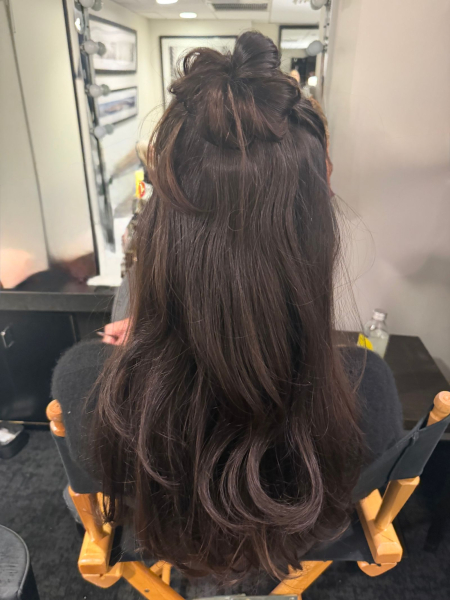
    The back of Dakota Johnson's updoPhoto: Mark Townsend

    Once he gathered the hair up, he secured the chignon. Well, actually, it was a joint effort. “I love doing hairstyles like this with Dakota. She will pull her hair on top of her head into a cool shape, and I will secure it with Day Rate Beauty Foundation Pins while she’s still holding it up,” says Townsend, who shared a behind-the-scenes look at his POV while styling Johnson’s hair. “It’s a team collaboration.”

    The style brilliantly serves two purposes: keeping just enough hair off her face to help draw the eye to that incredible red lip, while also functioning as a work of hair art—one in which the famous wearer had a hand, literally.

  • 7 Best L’Oréal Paris Skin-Care Products for Fine Lines, Dullness, and Dryness

    7 Best L’Oréal Paris Skin-Care Products for Fine Lines, Dullness, and Dryness

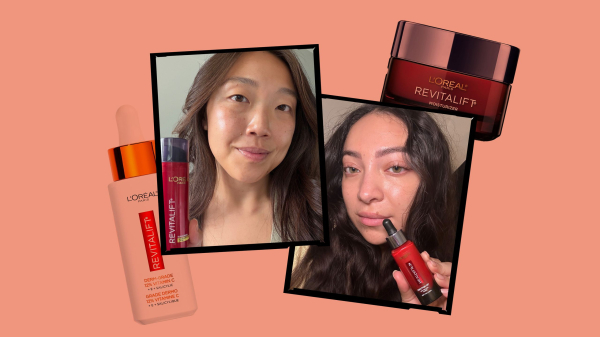
    Image contains Allure editors with the best L'oral Paris skincare products surrounded by product silos on a peach backgroundCollage: Jemeria Davison; Source images: Courtesy of brandsSave StorySave this storySave StorySave this story

    The best L’Oréal Paris skin-care products have decades of beauty know-how behind them—and a knack for putting some of the industry’s most talked-about ingredients within easy reach. While L’Oréal Paris has been around for more than a century, its skin-care lineup has evolved considerably, and Revitalift has become one of the brand’s best-known franchises over the years.

    Today, the shelves are stacked with the kinds of ingredients you’re used to hearing dermatologists rave about: retinol, peptides, hyaluronic acid, vitamin C, glycolic acid, and more. But what L’Oréal Paris does particularly well is turn all that skin-care science into formulas that feel approachable rather than intimidating, whether you’re ready to graduate to a higher-strength retinol serum or simply want a moisturizer that hydrates and sneaks SPF into your morning skin-care routine. And with so many options to get you one step closer to a brighter, supple, smoother-looking complexion, figuring out where to start can be the tricky part. That’s where we come in. Five Allure editors put L’Oréal Paris’s skin-care lineup to the test, narrowing it down to the seven below.

    Our Top L’Oréal Paris Skin-Care Products

    • Triple Threat: Revitalift Triple Power Moisturizer, $30
    • Beauty Sleep: Revitalift Triple Power Rich Night Moisturizer, $36
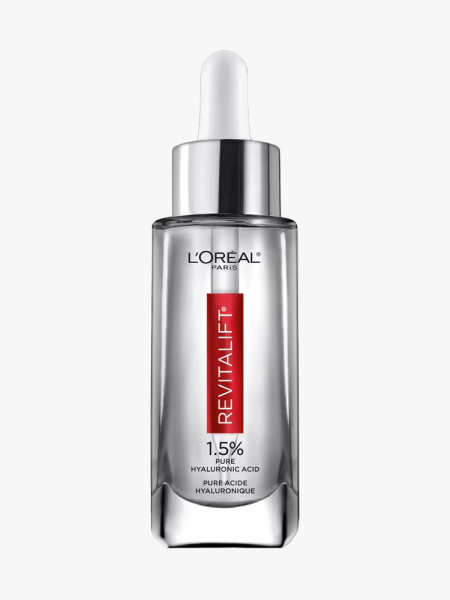
    • Moisture Magnet: Revitalift Derm Intensives 1.5% Pure Hyaluronic Acid Serum, $36
    • Wrinkle Whisperer: Revitalift Derm Intensives 0.3% Pure Retinol Deep Wrinkle Serum, $32

    Triple Threat: Revitalift Triple Power Moisturizer

    L’Oreál Paris Revitalift Triple Power Rich Night Moisturizer in branded tub component on a light gray backgroundSave to wishlistSave to wishlist

    L'Oréal Paris

    Revitalift Triple Power Moisturizer

    $30 $21 (30% off)

    Amazon

    Allure contributing commerce writer Christa Joanna Lee applying the Revitalift Triple Power Moisturizer

    Christa Joanna Lee

    Why it’s worth it: When it comes to fine-line defense, is there any ingredient family more famous than retinoids? A quick refresher: Retinoids are among the most well-studied skin-care ingredients, and these vitamin A derivatives encourage cell turnover and stimulate collagen and elastin production, leading to firmer, more radiant skin. L’Oréal Paris’s Revitalift Triple Power Moisturizer taps retinyl palmitate, a gentler vitamin A derivative, alongside sodium hyaluronate (a form of hyaluronic acid) to pull in moisture and temporarily plump the look of fine lines, and ascorbyl glucoside, a stable vitamin C derivative, to brighten and provide antioxidant protection. Niacinamide also strengthens the skin barrier and evens out hyperpigmentation, while salicylic acid provides gentle exfoliation to smooth texture.
    One thing to keep in mind: The brand doesn’t disclose the percentage of retinyl palmitate in the formula, and it does contain added fragrance, so those with especially sensitive or reactive skin may want to patch-test before going all in.

    Tester feedback from contributing commerce writer Christa Joanna Lee

    AccordionItemContainerButtonLargeChevron

    “Retinol and salicylic acid? You could’ve fooled me. With my sensitive skin, I was bracing myself for at least a little sting, but the L’Oréal Paris Revitalift Triple Power Moisturizer feels surprisingly smooth and gentle. Even the added fragrance—which can be hit-or-miss for me—didn’t bother my skin one bit. Instead, it felt deeply nourished and comfortably plumped (thank you, hyaluronic acid). I’m under no illusion that a moisturizer is going to magically erase my stubborn melasma, but after just a few uses, I swear my skin already looked more even, fresh, and glowier.” —Christa Joanna Lee, contributing commerce writer

    More to know

    AccordionItemContainerButtonLargeChevron

    • Key ingredients: retinyl palmitate, sodium hyaluronate, ascorbyl glucoside, niacinamide, salicylic acid
    • Fragrance-free: no

    Beauty Sleep: Revitalift Triple Power Rich Night Moisturizer

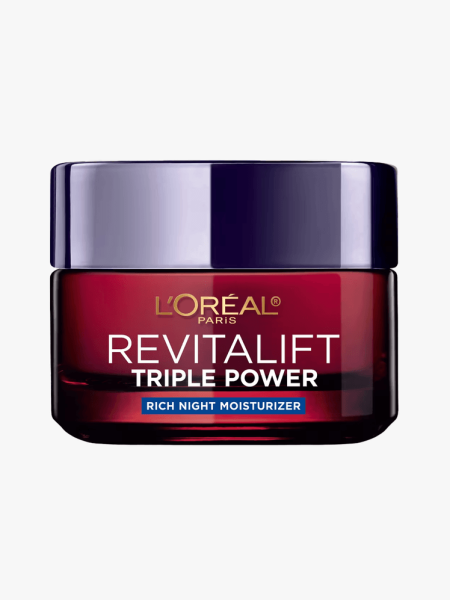
    L’Oreál Paris Revitalift Triple Power Rich Night Moisturizer in branded tub component on a light gray backgroundSave to wishlistSave to wishlist

    L'Oréal Paris

    Revitalift Triple Power Rich Night Moisturizer

    $36

    Amazon

    Allure contributing commerce editor Deanna Pai applying the Revitalift Triple Power Rich Night Moisturizer

    Deanna Pai

    Why it’s worth it: We wouldn’t describe L’Oréal Paris’ Revitalift Triple Power Rich Night Moisturizer as simply a richer version of the original. While the classic Triple Power Moisturizer centers on retinyl palmitate, this nighttime version swaps the retinoid for a 10% exfoliating blend of glycolic acid, salicylic acid, and gluconolactone (a polyhydroxy acid that doubles as a humectant). Together, they lift away dead surface cells to gradually smooth fine lines, rough patches, and crepey texture. Meanwhile, hyaluronic acid draws moisture into skin for a more immediate plumping effect that softens the appearance of lines. Acetyl hexapeptide-8, a peptide commonly found in mature skin-focused moisturizers, makes wrinkles appear less pronounced, while ascorbyl glucoside, a stable vitamin C derivative, brightens uneven skin tone and defends against free radicals.
    The real draw, though, is getting all those actives wrapped up in a plush texture, with shea and cupuaçu butters bringing the deep moisture your skin will happily soak up overnight.

    Tester feedback from contributing commerce editor Deanna Pai

    AccordionItemContainerButtonLargeChevron

    “A rich cream? As someone with skin so oily I could single-handedly bring down gas prices given the chance, it doesn't sound like my bag. But as someone *also* noticing new signs of aging every single day, I wanted to give the cream a shot. It was absolutely worth it: The moisturizer feels more like a balm than a cream, and a tiny bit (I'm talking a dab) goes a long way. It left my skin gleaming and soft, but not greasy whatsoever, which is a feat. And despite the buttery texture, it sank in almost instantly. While I'll stick with more lightweight formulas to layer under SPF, this felt really nice to seal in my other actives (usually a retinoid or exfoliating acid) at the end of a long day.” —Deanna Pai, contributing commerce editor

    More to know

    AccordionItemContainerButtonLargeChevron

    • Key ingredients: glycolic acid, salicylic acid, gluconolactone, hyaluronic acid, acetyl hexapeptide-8, ascorbyl glucoside, shea butter, cupuaçu butter
    • Fragrance-free: yes

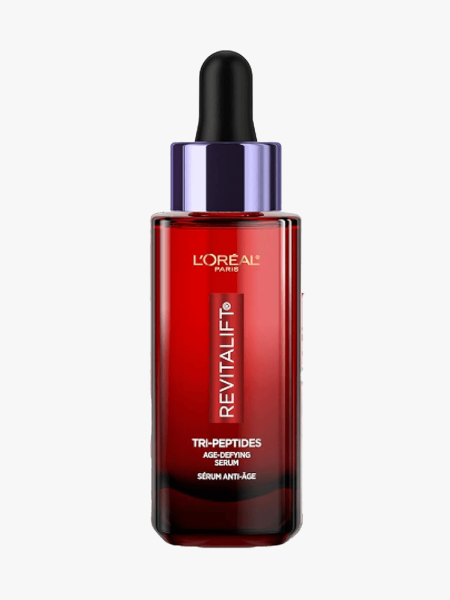
    Three of a Kind: Revitalift Triple Power 3% Peptides Serum

    L’Oreal Revitalift Triple Power 3% Peptides Serum in branded component on a light gray backgroundSave to wishlistSave to wishlist

    L'Oréal Paris

    Revitalift Triple Power 3% Peptides Serum

    $22 $19 (14% off)

    Amazon

    Allure commerce editor Madison San Miguel applying the Revitalift Triple Power 3% Peptides Serum

    Madison San Miguel

    Why it’s worth it: The term “peptides” has become something of a catch-all term in skin care, but they don’t all work the same way—some hydrate, some signal new collagen production, and others minimize muscle movement. L’Oréal Paris’s Revitalift Triple Power 3% Peptides Serum takes a strategic approach, combining three types that tackle signs of aging from different angles. Matrixyl (a blend of the signal peptides palmitoyl tripeptide-1 and palmitoyl tetrapeptide-7) helps tighten skin, while Argireline (a.k.a. acetyl hexapeptide-8) targets the appearance of expression lines. The third peptide, carnosine, is also an antioxidant, so it helps protect skin from some of the everyday damage that can contribute to visible signs of aging.

    And peptides aren’t the only overachievers in the bottle. Ascorbyl glucoside (a stable vitamin C derivative) boosts radiance, while hyaluronic acid pulls in moisture to give skin its bounce. In other words, it does the work of several steps in your routine, all in one silky serum.
    Tester feedback from commerce editor Madison San Miguel

    AccordionItemContainerButtonLargeChevron

    “As soon as I felt the rich, milky texture of this serum, I knew it was going to meet expectations. I have dry to very dry skin, which often needs thick, silky formulas to soothe any ‘tightness’ and dry patches that may appear. This was an instant win—it calmed my skin and layered seamlessly with the rest of my skin care. Beyond its hydrating peptide blend, it also contains hyaluronic acid and vitamin C that I typically use individually. Because it combines all three, I can see myself swapping it in for my other skin care and streamlining my routine.” —Madison San Miguel, commerce editor

    More to know

    AccordionItemContainerButtonLargeChevron

    • Key ingredients: Matrixyl (palmitoyl tripeptide-1 and palmitoyl tetrapeptide-7), Argireline (acetyl hexapeptide-8), carnosine, ascorbyl glucoside, hyaluronic acid
    • Fragrance-free: no

    Wrinkle Whisperer: Revitalift Derm Intensives 0.3% Pure Retinol Deep Wrinkle Serum

    L'Oreal Paris Revitalift Derm Intensives 0.3% Pure Retinol Deep Wrinkle Serum in branded dropper component on a light gray backgroundSave to wishlistSave to wishlist

    L'Oréal Paris

    Revitalift Derm Intensives 0.3% Pure Retinol Deep Wrinkle Serum

    $32 $30 (6% off)

    Amazon

    Allure commerce editor Sarah Han applying the Revitalift Derm Intensives 0.3% Pure Retinol Deep Wrinkle Serum

    Sarah Han

    Why it’s worth it: So, you’ve finally decided to see why dermatologists can’t stop talking about retinol. L’Oréal Paris’s Revitalift Derm Intensives 0.3% Pure Retinol Deep Wrinkle Serum gets straight to the good stuff with intermediate-level 0.3% pure retinol—meaning you’re getting retinol itself, rather than a derivative like the retinyl palmitate found in the Revitalift Triple Power Moisturizer on this list. As great as retinol is, dryness can come with the territory, so glycerin and hyaluronic acid step in to replenish moisture and keep skin feeling comfortable.

    Still, if you’re new to retinol, don’t go from zero to every night with this concentration: Start with a couple of applications a week, gradually work your way up as your skin adjusts, and consider sandwiching the serum between layers of moisturizer if you’re especially prone to dryness.

    Tester feedback from commerce editor Sarah Han

    AccordionItemContainerButtonLargeChevron

    “I am all about retinols as someone in my early 30s who's trying to stave off fine lines for as long as possible. I use a retinol serum just about every night, and this L'Oréal Paris serum has officially entered the rotation. My skin is pretty tolerant and has had zero issues with this 0.3% concentration of pure retinol, but for those with sensitive skin and/or retinol beginners, don't start using this every night like I often do. Build up your usage, or you could also explore serums with lower concentrations of retinols (or even a retinal serum!). But, even for a retinol serum, this one's very hydrating, thanks to the cushioning of hyaluronic acid and glycerin—I can feel it in the creamy serum as it goes onto my skin. It makes my skin feel noticeably soft, and over the course of a few weeks, I've noticed my forehead lines (which are slowly creeping in) have softened quite a bit. Again, I'm still in my prevention phase, so the goal isn't to address texture and fine lines that have already sunk in—hopefully, thanks to consistent retinols like this one, I won't see them for another decade!" —Sarah Han, commerce editor

    More to know

    AccordionItemContainerButtonLargeChevron

    • Key ingredients: 0.3% retinol, glycerin, hyaluronic acid
    • Fragrance-free: yes

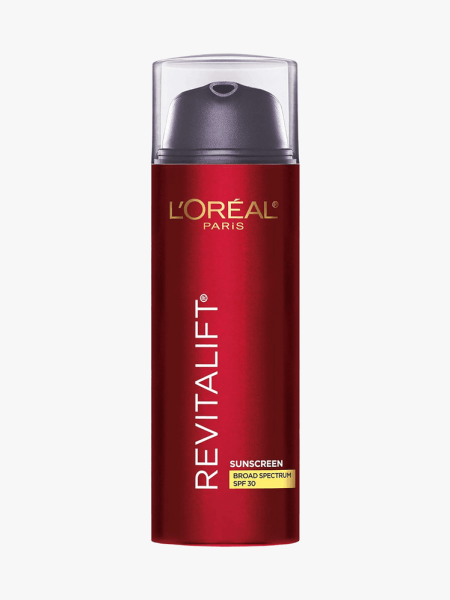
    Rise and Shine: Revitalift Triple Power SPF 30 Face Moisturizer

    A red pump bottle of L'Oreal Paris Revitalift Triple Power Sunscreen SPF 30 on a light gray backgroundSave to wishlistSave to wishlist

    L'Oréal Paris

    Revitalift Triple Power Sunscreen SPF 30

    $28 $24 (14% off)

    Amazon

    Lee applying the Revitalift Triple Power SPF 30 Face Moisturizer

    Christa Joanna Lee

    Why it’s worth it: L’Oréal Paris Revitalift Triple Power SPF 30 Face Moisturizer borrows the same core trio as the original Revitalift Triple Power Moisturizer—hyaluronic acid, retinyl palmitate, and vitamin C—then adds broad-spectrum SPF 30 to the equation. That makes it an especially handy multitasker when your morning routine is a race against the clock: Hyaluronic acid plumps skin with moisture, retinol works over time to even out the look of fine lines and improve firmness, and vitamin C brightens dullness, while chemical UV filters protect against UVA and UVB rays. Retinol is typically associated with nighttime routines since it can make skin more sensitive to the sun, but this formula uses retinyl palmitate, a gentler retinoid derivative, and pairs it with broad-spectrum SPF 30 for daytime use. Squalane adds another layer of moisture, and dimethicone gives the cream such a silky finish that, as our tester puts it, “you’d have zero idea there’s sunscreen involved.”

    Tester feedback from Lee

    AccordionItemContainerButtonLargeChevron

    “Besides the extra two or three seconds it takes to fully rub in, you’d have zero idea there was sunscreen involved in this formula. As a busy mom, I’m all for combining as many steps as possible, and on mornings when I’m rushing out the door, SPF is sometimes the only skin-care step that makes the cut. Luckily, L’Oréal Paris Revitalift Triple Power SPF 30 Face Moisturizer has me covered on the dry skin front as well, and it feels really silky going on. I was surprised to spot a retinol derivative in the formula since I typically reserve retinoids for nighttime because of my sensitive skin, but I didn’t experience any stinging or irritation while testing it.” —Christa Joanna Lee, contributing commerce writer

    More to know

    AccordionItemContainerButtonLargeChevron

    • Key ingredients: 3% avobenzone, 5% homosalate, 5% octisalate, 7% octocrylene, hyaluronic acid, retinyl palmitate, vitamin C, squalane, dimethicone
    • Fragrance-free: no

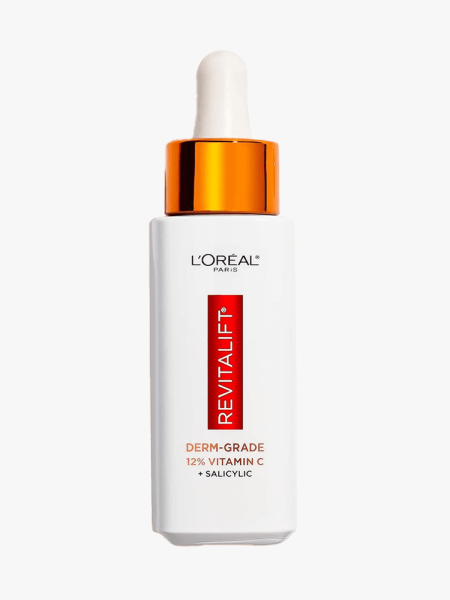
    Bright Idea: Revitalift Vitamin C + E + Salicylic Acid Serum

    L'Oreal Paris Revitalift Vitamin C + E + Salicylic Acid Serum in branded dropper component on a light gray backgroundSave to wishlistSave to wishlist

    L'Oréal Paris

    Revitalift Vitamin C + E + Salicylic Acid Serum

    $30

    Amazon

    Pai applying the Revitalift Vitamin C + E + Salicylic Acid Serum

    Deanna Pai

    Why it's worth it: If glowier skin is your North Star, you don’t necessarily need to overhaul your entire routine to get there. Allow us to introduce—or reintroduce—you to one of dermatologists’ favorite brightening ingredients: vitamin C. L’Oréal Paris Revitalift Vitamin C + E + Salicylic Acid Serum pairs L-ascorbic acid, the pure form of vitamin C, to even out tone while providing antioxidant protection against the free-radical damage that can contribute to premature signs of aging, while vitamin E doubles down on those antioxidant benefits and helps stabilize that vitamin C for peak efficacy. For more instant results, salicylic acid completes the trio by exfoliating away dead surface cells and pore-clogging buildup, helping refine the look of large pores standing between you and that aforementioned glassy glow.

    Tester feedback from Pai

    AccordionItemContainerButtonLargeChevron

    “I've used a lot of acne products and antioxidant serums in my day, so this match-up was practically made for me. Off the bat, I like that it has no scent whatsoever, and the combination of vitamins C and E is one that I'd expect from a much more high-end formula. But the addition of salicylic acid is what really made it stand out for me: I can use it in the morning as my antioxidant serum and trust that it'll handle the breakouts on my chin, too. As I'd hoped, the budding zits on my chin never made it to the surface, and pretty much resolved themselves in a day or two. Plus, I like knowing that it'll handle my discoloration at the same time, too.” —Deanna Pai, contributing commerce editor

    More to know

    AccordionItemContainerButtonLargeChevron

    • Key ingredients: L-ascorbic acid (vitamin C), vitamin E, hyaluronic acid, salicylic acid
    • Fragrance-free: no

    Moisture Magnet: Revitalift Derm Intensives 1.5% Pure Hyaluronic Acid Serum

    L'Oréal Paris Revitalift 1.5 % Pure Hyaluronic Acid Serum in branded component on a light gray backgroundSave to wishlistSave to wishlist

    L'Oréal Paris

    Revitalift 1.5% Pure Hyaluronic Acid Serum

    $36 $21 (42% off)

    Amazon

    Allure commerce market editor Sarah Hoffmann applying the Revitalift Derm Intensives 1.5% Pure Hyaluronic Acid Serum

    Sarah Hoffmann

    Why it’s worth it: If you learned how to pronounce “hy-a-lur-on-ic” acid from a L’Oréal Paris commercial, this is the serum you have to thank. Revitalift Derm Intensives 1.5% Pure Hyaluronic Acid Serum highlights a 1.5% hyaluronic acid complex that combines three different molecular weights, including smaller forms designed to absorb more readily and a larger form that sits closer to the surface to lock in moisture. Translation: Skin gets an immediate flood of moisture, making fine lines look a little less obvious while delivering longer-lasting hydration.

    The formula also contains HEPES, a chemical compound that encourages the natural shedding of dead surface cells for smoother, more radiant-looking skin, along with ascorbyl glucoside, a stable vitamin C derivative, to further brighten and even out tone. Even better, the lightweight, fragrance-free formula sinks right in without leaving behind a trace of grease or tackiness.

    Tester feedback from commerce market editor Sarah Hoffmann

    AccordionItemContainerButtonLargeChevron

    “Approximately 75% of my personality right now revolves around the fact that I just started tretinoin. My skin is pretty sensitive, but so I'm taking it very slowly and—knock on wood—it's going well! I'd attribute the less-scary-than-anticipated results to two factors: starting slow, and taking my skin hydration routine incredibly seriously. I apply this hyaluronic acid serum twice a day without fail, and I really think it's been the key to avoiding a totally painful adjustment period.

    This serum from L'Oréal Paris has just the right amount of bells and whistles. There's some exfoliating ingredients, but it's mostly just good, classic, hyaluronic acid. I apply it as my last step before moisturizer (and sunscreen in the morning) after misting my face with a fine mist water bottle so the serum has moisture to hold onto. You really do get an immediate bounciness and the glow lasts throughout the day.” —Sarah Hoffmann, commerce market editor

    More to know

    AccordionItemContainerButtonLargeChevron

    • Key ingredients: hyaluronic acid, HEPES, ascorbyl glucoside
    • Fragrance-free: yes

    Frequently Asked Questions

    How we test and review products

    When Allure tests a product, our editors look at it from every angle in an effort to best serve you. We review ingredients, scrutinize brand claims, and, when necessary, examine peer-reviewed scientific and medical studies. In addition to testing each and every product that’s included in each and every review, we rely on experts who shape their fields, including dermatology, cosmetic chemistry, and medicine, to help us vet the ingredients and formulas.

    For our list of the best L’Oréal Paris skin-care products, we considered each product's performance across five primary categories: product ingredients and efficacy, packaging, fragrance, texture, and product wear. Every product was determined to have excelled in each category by our editorial team, which is composed of in-house writers and editors as well as contributors—along with special consideration from dermatologists. To learn more information on our reporting and testing processes, read our complete reviews process and methodology page.

    Our staff and testers

    A beauty product is a personal purchase. You might be searching for a face cream to address persistent dryness or a new nail product to add to your Sunday self-care routine; you may simply be browsing around for the latest launches to hit the hair market. No matter what you seek or your individual needs and concerns, Allure wants to ensure that you love anything we recommend in our stories. We believe that having a diverse team of writers and editors—in addition to the wide range of outside testers and industry experts we regularly call upon—is essential to reaching that goal.

    After all, can we really say a skin-care product is the "best" for people over 50 if the only testers we've solicited opinions from folks who have yet to hit 30? Can we honestly deem a high-end diffuser worthy of your hard-earned cash if it’s never been tested on curls? We're proud that our staff spans a wide range of ages, skin tones, hair textures, genders, and backgrounds, which means that we are able to fairly assess any beauty product that comes into the beauty closet.

  • Sarah Jessica Parker’s Braid Is a Quiet Silver Masterpiece

    Sarah Jessica Parker’s Braid Is a Quiet Silver Masterpiece

    Sarah Jessica Parker wearing a long braid and pink dressPhoto: Getty ImagesSave StorySave this storySave StorySave this story

    Sarah Jessica Parker has really been leading the charge for letting gray hair live in harmony with non-gray hair, and with every public appearance, she makes a pretty compelling case for letting the two coexist rather than trying to color away the gray. And as if she wasn’t already one of the most iconic trendsetters of our time, at the New York City Ballet Fall Fashion Gala on October 1, she essentially answered the question, “What if Rapunzel leaned into the quiet silver, coquette, and fairycore trends?”

    Parker was seen entering Lincoln Center with husband Matthew Broderick, who wore a classic tuxedo that stood in quite the contrast to Parker’s whimsical look. She wore a sheer, blush-pink Simone Rocha dress covered in embroidered flowers—a long-sleeve adaptation of the version that was shown on the Fall/Winter 2026 runway. Wide, pale pink, satin ribbons were threaded loosely throughout the dress, culminating in bows at the shoulders.

    Sarah Jessica Parker in a sheer pink dress with ribbonsPhoto: Getty Images

    But that’s not really where the ribbons end. Another perfectly matching ribbon is woven throughout one of the most fantastical braids in recent memory. Parker’s hair was gathered into an enormous, layered, fishtail braid that starts high on the back of her head with a bow, its ends interlaced intermittently with the incredibly thick folds of the plaits. It’s tied off near her waist, and the ends of her hair flow for at least another wavy foot.

    Sarah Jessica Parker's long ribbon braidPhoto: Getty Images

    As usual, her color is particularly beautiful. In the braid itself, we see a mix of golden pieces, cooler beige, and deeper brown, creating a variegated effect that makes the braid look even more dimensional. The silver is especially concentrated around the front and crown, where her hair is swept smoothly back from her face.

    The Rapunzel comparison is inevitable with hair this long, but SJP’s fanciful presentation makes it feel especially true to the fairytale—but especially modern with her stunning mix of highlights, lowlights, and silver strands.

  • 7 Best Eye Creams for Wrinkles to Smooth, Firm, and Brighten

    7 Best Eye Creams for Wrinkles to Smooth, Firm, and Brighten

    Image contains a collage of silos of the best eye creams for wrinklesCollage: Jemeria Davison; Source images: Courtesy of brandsSave StorySave this storySave StorySave this story

    Fine lines, wrinkles, and crow's feet are a natural part of the skin's maturing process, but if you’re looking to soften their appearance, the best eye creams for wrinkles can help deliver a smoother, firmer look. (Sorry to your usual daily eye cream, but these formulas tend to focus primarily on moisture.) And while your go-to hydrating eye cream can plump fine lines and make them less noticeable, more pronounced wrinkles may call for ingredients like retinol and peptides, which can help firm skin and support collagen production over time, ultimately giving you results that last a lot longer.

    Just don’t mistake more powerful for more aggressive: The skin around your eyes is thin and notoriously easy to irritate, so choosing a formula that’s effective without going overboard is key—which is where our dermatologist recommendations come in.

    Our Top Eye Creams for Wrinkles

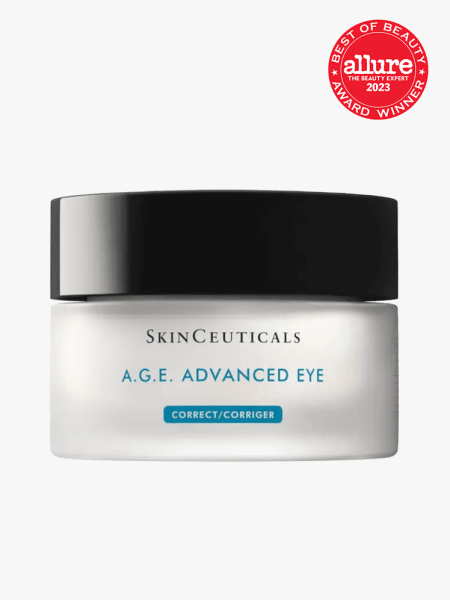
    • Best Overall: SkinCeuticals A.G.E. Advanced Eye Complex, $125
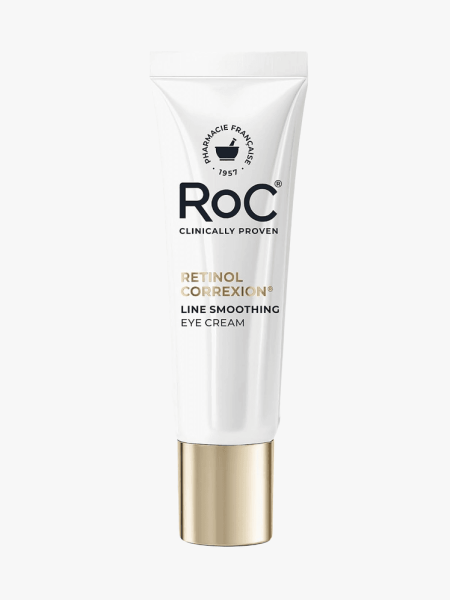
    • Best Retinol: RoC Retinol Correxion Line Smoothing Eye Cream, $21
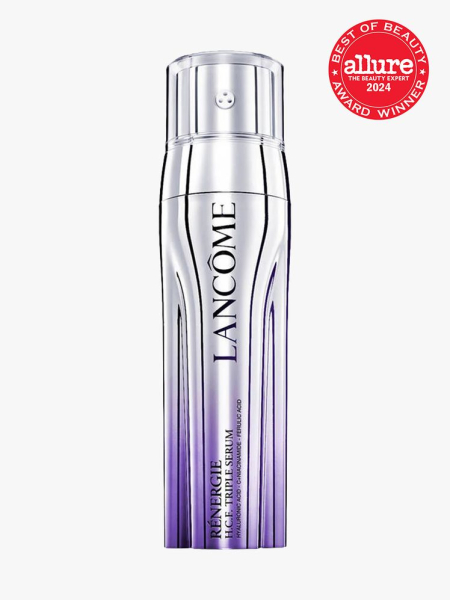
    • Best Retinol-Free: Lancôme Rénergie Eye H.C.F. Triple Serum, $95
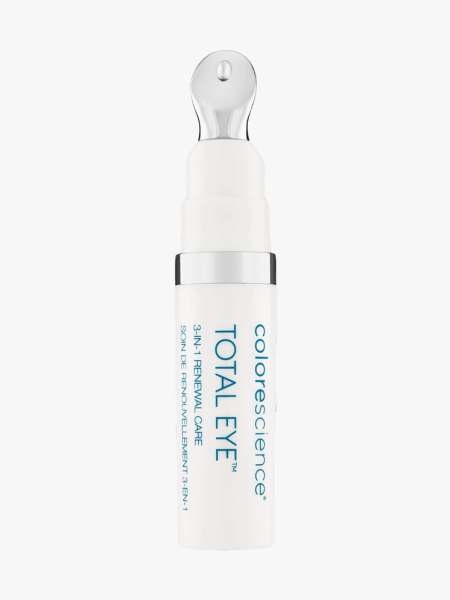
    • Best Tinted: Colorescience Total Eye 3-in-1 Renewal Therapy SPF 35, $79

    Frequently Asked QuestionsAccordionItemContainerButtonLargeChevron

    • What do I look for in an eye cream for wrinkles?
    • When do I start using an eye cream?
    • Meet the experts
    • How we test and review products
    • Our staff and testers

    Best Overall: SkinCeuticals A.G.E. Advanced Eye Complex

    SkinCeuticals A.G.E. Advanced Eye in a frosted jar with black cap on light gray background with allure best of beauty sealSave to wishlistSave to wishlist

    SkinCeuticals

    A.G.E. Advanced Eye

    $125

    Dermstore

    $125

    Bluemercury

    $125

    SkinCeuticals

    Allure contributing commerce editor Deanna Pai applying SkinCeuticals A.G.E. Advanced Eye Complex

    Deanna Pai

    Why it's worth it: SkinCeuticals products are known for their science-meets-skin-care formulas, and the revamped A.G.E. Advanced Eye Complex lives up to the reputation. "It improves the appearance of crow's feet through its potent combination of proxylane, blueberry extract, and a complex of flavonoids and synergistic peptides," explains Lauren Penzi, MD, a board-certified dermatologist in New York City. Instead of simply delivering collagen to the skin, this 2023 Best of Beauty Award winner actually encourages cells to produce it from scratch, helping to firm skin and minimize fine lines over time.

    If you're wondering, the titular A.G.E. stands for advanced glycation end-products, which naturally develop and build up in our bodies as we age and cause our skin to sag, as Kunal Malik, MD, a board-certified dermatologist in New York City, previously explained. This eye cream is your first line of firming defense. It also has light-reflecting ingredients that brighten the skin around the eyes, but consistent application yields the best long-term results. "With regular use, patients have definitely noticed a decrease in the appearance of fine lines around the eyes," says Dr. Penzi.

    Tester feedback from Allure contributing commerce editor Deanna Pai

    AccordionItemContainerButtonLargeChevron

    "I have what plastic surgeons have called an 'expressive face,' so my crow's feet are out of control when I smile. This makes a noticeable difference in their length and depth, but doesn't exacerbate my milia or lead to pilling. I really appreciate that it feels balmy and nourishing but not heavy, so I can apply the rest of my skin care and makeup right after—helpful when I'm trying to get ready with my kid hounding me." —Deanna Pai, Allure contributing commerce editor

    More to know

    AccordionItemContainerButtonLargeChevron

    • Key ingredients: proxylane, peptides, glycyrrhetinic acid
    • Fragrance-free: yes

    Best Retinol: RoC Retinol Correxion Line Smoothing Eye Cream

    RoC Retinol Correxion Line Smoothing Eye Cream in branded tube component on a light gray backgroundSave to wishlistSave to wishlist

    RoC

    Retinol Correxion Line Smoothing Eye Cream

    $22 $20 (9% off)

    Amazon

    $30

    Ulta Beauty

    Allure commerce editor Sarah Han applying the RoC Retinol Correxion Line Smoothing Eye Cream

    Sarah Han

    Why it's worth it: RoC's Retinol Correxion Line Smoothing Eye Cream is a fragrance-free best-seller that's won multiple Allure Best of Beauty Awards. "[Here,] retinol helps boost collagen production, improve skin texture, and reduce the appearance of fine lines and wrinkles around the eyes," says Dr. Penzi, who counts it among her favorites. "It also contains hydrating ingredients like glycerin and panthenol that dole out hydration and plumpness to the eye area.

    Meanwhile, a mineral complex of zinc, copper, and magnesium provides antioxidant benefits to your eye skin and aids collagen formation. Jenny Liu, MD, a board-certified dermatologist in Minneapolis, also backs the RoC eye cream, pointing out, "The brand has over 25 patents, so it's well-respected in the retinol space."

    Tester feedback from commerce editor Sarah Han

    AccordionItemContainerButtonLargeChevron

    “RoC's eye cream has been a tried-and-true formula for many years now. I'm probably aging myself by linking to this review I wrote in 2021, but with the added years (I'm 33 now), my concerns about volume loss and creasing around the eyes are even more prevalent, so RoC's Retinol Correxion Line Smoothing Eye Cream has made its way back into my nighttime rotation. After all, not much can beat retinol in terms of wrinkle-reducing efficacy. I've never had any sensitivity using it either, perhaps because irritating-soothing glycerin is one of the top ingredients. All in all, this is a very affordable eye cream that outperforms many pricier formulas.” —Sarah Han, commerce editor

    More to know

    AccordionItemContainerButtonLargeChevron

    • Key ingredients: retinol (amount undisclosed), glycerin, panthenol
    • Fragrance-free: yes

    Best Retinol-Free: Lancôme Rénergie Eye H.C.F. Triple Serum

    eye cream in branded purple and silver gradient bottle with cap on light gray background with red and white 2024 allure best of beauty sealSave to wishlistSave to wishlist

    Lancôme

    Rénergie Eye H.C.F. Triple Serum

    $95

    Amazon

    $95

    Nordstrom

    $95

    Ulta Beauty

    Allure associate beauty director Sarah Kinonen applying the Lancôme Rénergie Eye H.C.F. Triple Serum

    Why it's worth it: Lancôme's Rénergie Eye H.C.F. Triple Serum has a pretty wild wrinkle-fighting ingredient up its sleeve: a snake venom-inspired peptide that softens the look of expression lines by interfering with the muscle contractions that contribute to them. (No snakes involved, promise.) The 2024 Best of Beauty Award winner doesn’t stop there. Hyaluronic acid floods the skin with moisture to plump up fine lines, while niacinamide strengthens the skin barrier and evens out tone. There’s also vitamin F, which is a mix of nourishing fatty acids that lock in moisture and keep thin undereye skin soft and supple. And despite all those moisturizing ingredients, the silky serum sinks in fast without leaving behind the greasy slip that can send concealer sliding.

    Tester feedback from Allure associate beauty director Sarah Kinonen

    AccordionItemContainerButtonLargeChevron

    "What really makes this do-it-all eye serum so impressive for me is that it's made with a synthetic version of a peptide found in snake venom, which is what creates the look and feel of tighter, lifted undereyes. And as someone in their early 30s who is starting to physically see the effects of sleepless nights (puffiness, dark circles), I've started using this treatment every morning and night (after applying my actives and before my moisturizer) to combat tired undereyes." —Sarah Kinonen, Allure associate beauty director

    More to know

    AccordionItemContainerButtonLargeChevron

    • Key ingredients: peptides, vitamin F, niacinamide, hyaluronic acid, vitamin F
    • Fragrance-free: no

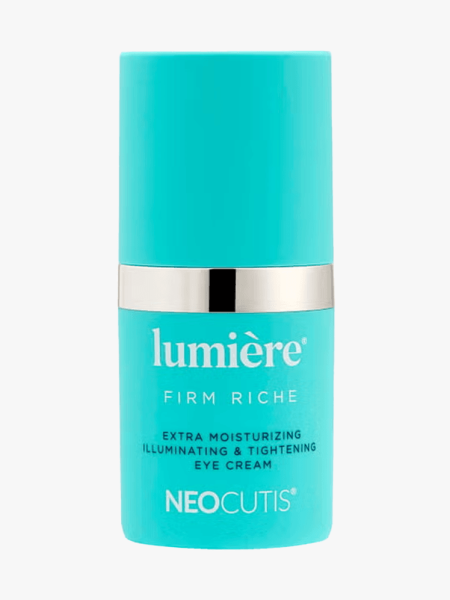
    Best for Dry Skin: Neocutis Lumière Firm Riche Eye Cream

    Neocutis Lumière Firm Riche Eye Cream in branded component on a light gray backgroundSave to wishlistSave to wishlist

    Neocutis

    Lumière Firm Riche Eye Cream

    $125 $100 (20% off)

    Amazon

    $125

    Dermstore

    $125

    Shop

    Why it's worth it: Think of the Neocutis Lumière Firm Riche as everything you love about the 2024 Best of Beauty Award-winning original (the Neocutis Lumière Firm), only with an extra dose of rich moisture for dry, crepey undereyes. The core lineup of skin-care heavy hitters remains: growth factors to support collagen production and skin renewal, proprietary peptides for firmness, caffeine to depuff, and brightening vitamin C for antioxidant protection.

    The Riche formula doubles down on moisture with petrolatum to seal in hydration, plus humectants like glycerin and hyaluronic acid to draw in and hold onto water. “The richer texture is especially beneficial for mature skin that has become thinner or drier over time,” says Jenna Queller, MD, a board-certified dermatologist based in Boca Raton, Florida. Stick with it, and it can leave the undereye area looking “smoother and more refreshed,” she says.

    More to know

    AccordionItemContainerButtonLargeChevron

    • Key ingredients: growth factors (cutaneous lysate), peptides (tetrapeptide-21 + palmitoyl tripeptide-1 acetate), vitamin C, caffeine, hyaluronic acid, glycerin, petrolatum
    • Fragrance-free: yes

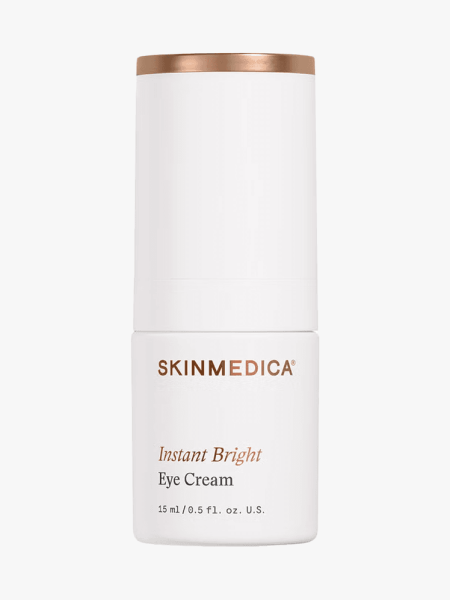
    Best for Dark Circles: SkinMedica Instant Bright Eye Cream

    SkinMedica Instant Bright Eye Cream in branded component on a light gray backgroundSave to wishlistSave to wishlist

    SkinMedica

    Instant Bright Eye Cream

    $92

    Amazon

    $92

    Dermstore

    Why it's worth it: Why choose between smoothing wrinkles and brightening dark circles when one eye cream can tackle both? SkinMedica’s Instant Bright Eye Cream targets darkness from a few angles: niacinamide and phenylethyl resorcinol (a synthetic brightening ingredient that regulates melanin production) even out the look of hyperpigmentation, while marine extracts (including plankton extract and red microalgae) address the appearance of darkness and shadows. Caffeine also helps take down puffiness.

    Meanwhile, a blend of hyaluronic acids pulls moisture into the skin to plump and smooth fine lines, while squalane locks in that hydration. “It provides an immediate brightening effect while also addressing longer-term concerns like fine lines, dehydration, and the appearance of dark circles,” says Dr. Queller. “I like that it offers both cosmetic and skin-care benefits, making patients look more awake right after application while also improving the skin the more you use it.”

    More to know

    AccordionItemContainerButtonLargeChevron

    • Key ingredients: phenylethyl resorcinol, caffeine, hyaluronic acid, squalane, marine extracts, niacinamide
    • Fragrance-free: tk

    Best Tinted: Colorescience Total Eye 3-in-1 Renewal Therapy SPF 35

    Colorescience Total Eye 3-in-1 Renewal Therapy SPF 35 in branded component on a light gray backgroundSave to wishlistSave to wishlist

    Colorscience

    Total Eye 3-in-1 Renewal Therapy SPF 35

    $79 $63 (20% off)

    Amazon

    $79

    Nordstrom

    $79

    Shop

    Why it's worth it: You can pamper your undereyes with all the eye cream in the world, but sun protection is still nonnegotiable when you’re treating wrinkles. “The undereye area is one of the thinnest and most sun-sensitive areas of the face, and cumulative UV exposure contributes to collagen breakdown, pigmentation, accelerated aging, and premature wrinkles,” says Dr. Queller. Colorescience’s Total Eye 3-in-1 Renewal Therapy SPF 35 defends this delicate area against UVA and UVB damage with mineral zinc oxide, while antioxidants like tocopherol (vitamin E) and microalgae extract protect against environmental stressors.

    While its wrinkle-smoothing benefits build with continued use, there’s some instant gratification, too: a sheer tint that blurs discoloration and perks up tired-looking undereyes. The formula “combines mineral sun protection with subtle color correction,” says Dr. Queller, and comes in four flexible shades designed to work across a range of skin tones. In other words, you’re getting an eye treatment, sunscreen, and a light layer of coverage all in one step.

    More to know

    AccordionItemContainerButtonLargeChevron

    • Shades: 4
    • Key ingredients: 7.9% titanium Dioxide, 6.7% zinc oxide, tocopherol, microalgae extract
    • Fragrance-free: yes

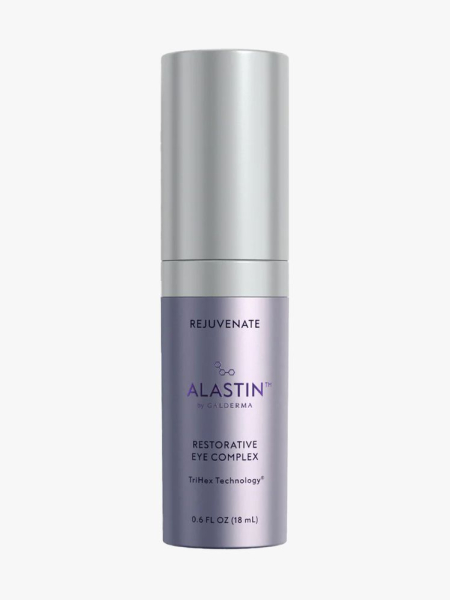
    Best for Sensitive Skin: Alastin Restorative Eye Treatment

    Alastin Restorative Eye Treatment in branded component on a light gray backgroundSave to wishlistSave to wishlist

    Alastin

    Restorative Eye Treatment

    $128 $96 (25% off)

    Amazon

    $128

    Shop

    Why it's worth it: When you’re trying to soften wrinkles around sensitive eyes, throwing the strongest actives you can find at the area isn’t necessarily the answer. Alastin’s Restorative Eye Treatment takes a gentler approach with the brand’s TriHex Technology, which is a blend of peptides that support the collagen and elastin that keep skin looking smooth and firm. Meanwhile, sodium hyaluronate, squalane, beta-glucan, and shea butter load up delicate, dryness-prone skin with moisture, which can also help fine lines look a little plumper and softer.

    The formula goes beyond hydration, too. “Niacinamide evens out discoloration, while green tea and oak leaf extracts target the look of dark circles,” says Dr. Queller. And since it skips retinol and other potentially irritating actives, it’s an easy one to reach for in the morning with a “lightweight texture that layers beautifully under makeup,” says Dr. Queller.

    More to know

    AccordionItemContainerButtonLargeChevron

    • Key ingredients: TriHex Technology, sodium hyaluronate, squalane, beta-glucan, shea butter, niacinamide, green tea, oak leaf
    • Fragrance-free: yes

    Frequently Asked Questions

    What do I look for in an eye cream for wrinkles?

    The key to a great eye cream is what's in its ingredient list, says Fatima Fahs, MD, a board-certified dermatologist based in Canton, Michigan. For immediate results, consider gentle ingredients that boost skin hydration or prevent its loss—such as hyaluronic acid, squalane, glycerin, and ceramides.

    Another top ingredient for targeting fine lines is retinol, says Rachel Nazarian, MD, a board-certified dermatologist based in New York City. The vitamin A derivative increases collagen production to improve the look of fine lines while evening skin tone and reducing signs of hyperpigmentation. However, retinol is an intensive active ingredient that might irritate sensitive skin types. So always patch-test new products before applying them to your entire face—especially your under-eye area—and follow up with sunscreen.

    Another ingredient Dr. Fahs shouts out is skin-brightening essential vitamin C, an antioxidant powerhouse that fights free radical damage and helps fade pigmentation concerns; not surprisingly, it's a mainstay in brightening eye creams. But, really, any antioxidant is a good idea. "Antioxidants are a bonus in eye creams since they protect against environmental damage and help preserve skin from premature aging," says Dr. Nazarian. "Everyone benefits from that."

    Dehydration can also exacerbate the look of wrinkles, so if you notice dry skin, consider incorporating a hyaluronic acid-infused product into your skin-care regimen. "[Hyaluronic acid] is a humectant that plumps and hydrates the skin to improve the appearance of fine lines," says Dr. Fahs.

    What else? "Peptides can be a great alternative to retinol," Dr. Liu notes. "Peptides help to signal the skin's internal production of collagen and have hydrating benefits to improve the appearance of crow's feet."

    When do I start using an eye cream?

    "You can start using eye creams preventatively—and the earlier, the better," says Dr. Nazarian. While this might not be the case elsewhere on your face (after all, you might not want to sweat future jowls when you're 20), the eyes are particularly vulnerable to showing wear and tear sooner. "This area of the body is so thin that even a small amount of damage shows dramatically early in life," she says. She also recommends wearing sunglasses as a preemptive protective measure.

    Meet the experts

    • Fatima Fahs, MD, a board-certified dermatologist based in Canton, Michigan
    • Jenny Liu, MD, a board-certified dermatologist and assistant professor at the University of Minnesota based in Minneapolis
    • Kunal Malik, MD, a board-certified dermatologist in New York City
    • Rachel Nazarian, MD, a board-certified dermatologist at Schweiger Dermatology based in New York City
    • Jenna Queller, MD, a board-certified dermatologist and founder of DermWorks based in Boca Raton, Florida

    How we test and review products

    When Allure tests a product, our editors look at it from every angle in an effort to best serve you. We review ingredients, scrutinize brand claims, and, when necessary, examine peer-reviewed scientific and medical studies. In addition to testing each and every product that’s included in each and every review, we rely on experts who shape their fields, including dermatology, cosmetic chemistry, and medicine, to help us vet the ingredients and formulas.

    For our list of the best eye creams for wrinkles, we considered each product's performance across five primary categories: product ingredients and efficacy, packaging, fragrance, texture, and product wear. Every product was determined to have excelled in each category by our editorial team, which is composed of in-house writers and editors as well as contributors—along with special consideration from dermatologists. To learn more information on our reporting and testing processes, read our complete reviews process and methodology page.

    Our staff and testers

    A beauty product is a personal purchase. You might be searching for a face cream to address persistent dryness or a new nail product to add to your Sunday self-care routine; you may simply be browsing around for the latest launches to hit the hair market. No matter what you seek or your individual needs and concerns, Allure wants to ensure that you love anything we recommend in our stories. We believe that having a diverse team of writers and editors—in addition to the wide range of outside testers and industry experts we regularly call upon—is essential to reaching that goal.

    After all, can we really say a skin-care product is the "best" for people over 50 if the only testers we've solicited opinions from folks who have yet to hit 30? Can we honestly deem a high-end diffuser worthy of your hard-earned cash if it’s never been tested on curls? We're proud that our staff spans a wide range of ages, skin tones, hair textures, genders, and backgrounds, which means that we are able to fairly assess any beauty product that comes into the beauty closet.

  • 8 Best Long-Lasting Nail Polishes in 2026, Tested & Reviewed

    8 Best Long-Lasting Nail Polishes in 2026, Tested & Reviewed

    A collage of Allure editors' hands wearing longlasting nail polish alongside other nail polish bottle product silos on a...Collage: Jemeria Davison; Source images: Courtesy of Allure editors and brandsSave StorySave this storySave StorySave this story

    The best long-lasting nail polishes can make an at-home manicure feel a whole lot less like a gamble. After all, nothing hurts quite like meticulously shaping and painting your nails—only to discover the first chip a day or two later. While traditional lacquer isn’t going to rival the weeks-long wear of a professional gel manicure (sorry!), these DIY-friendly formulas are designed to resist chipping, fading, and dulling for significantly longer than your average bottle of polish. In fact, “a long-lasting polish can give some clients up to two weeks of wear with a regular manicure,” says Erica De Los Santos. “You’re still getting the feel of a traditional manicure, just with better durability.” Best of all, removal is a breeze compared to that of a gel, which can take a lot of time and patience if you’re doing it at home.

    Our Top Long-Lasting Nail Polishes

    • Best Overall: Essie Gel Couture Nail Polish, $13
    • Best Shade Range: Olive & June Long Lasting Nail Polish, $10
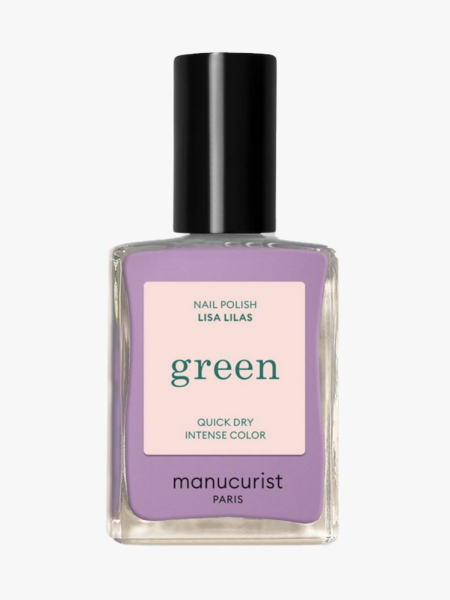
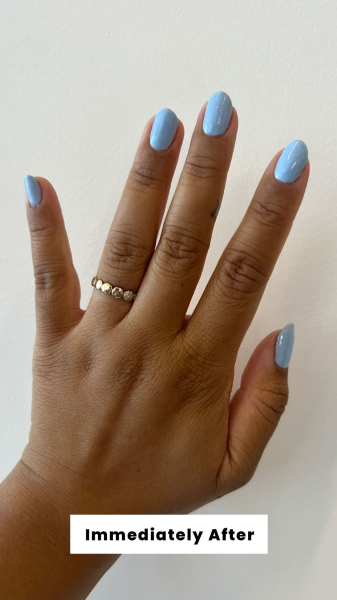
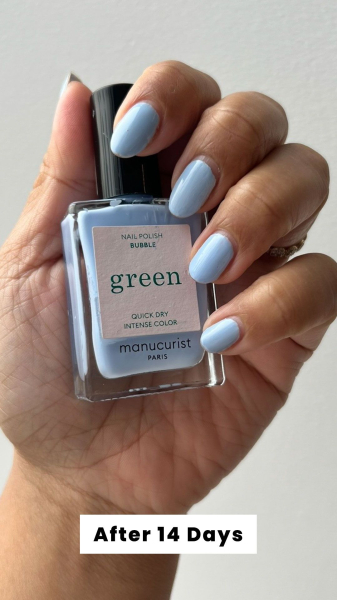
    • Best for Beginners: Manucurist Green Nail Polish, $14
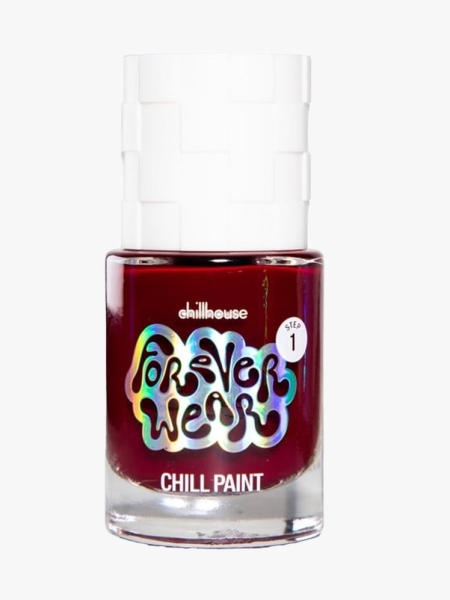
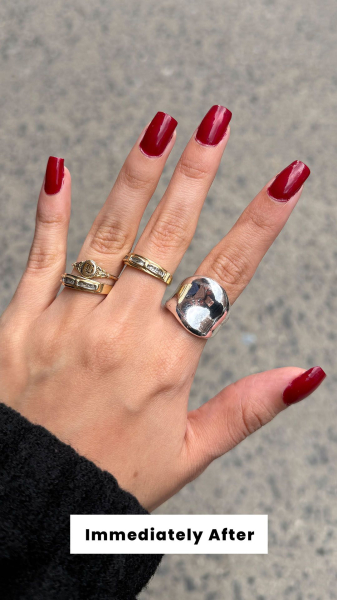
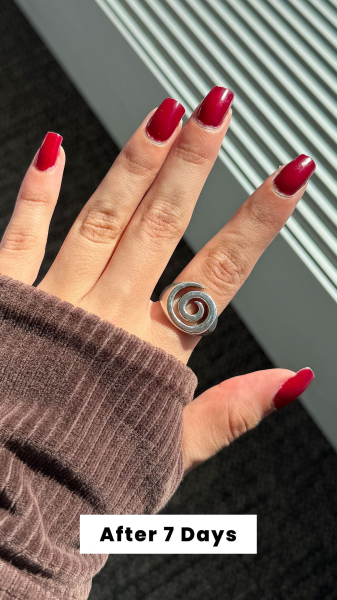
    • Best One-Coat Color: Chillhouse Forever Wear Nail Polish, $12

    Frequently Asked QuestionsAccordionItemContainerButtonLargeChevron

    • Why does my nail polish always peel off after a few days?
    • Is it possible to make nail polish dry more quickly?
    • How can I make my nail polish last longer?
    • Meet the experts
    • How we test and review products
    • Our staff and testers

    Keep in mind: Longevity doesn’t come down to polish alone. Even the most chip-resistant lacquer needs a little help from proper nail prep and application, from starting with a clean nail bed to finishing off with topcoat. We tapped professional nail artists for their tricks to making a manicure last, and we also put the nail polishes themselves through plenty of typing and everyday wear to find the bottles deserving of a permanent spot in your at-home kit. (Note: Some editors are rougher on their nails than others—but of course, we're all different people living different lifestyles!—so results and after photos will understandably vary. Including your own!)

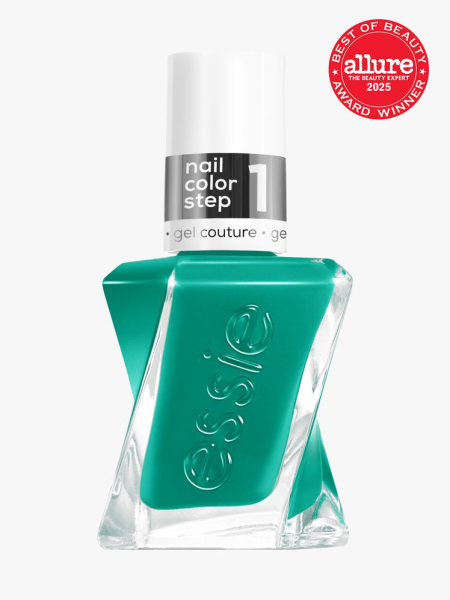
    Best Overall: Essie Gel Couture Nail Polish

    gel by essie twisted bottle of kelly green nail polish with white cap on light gray background with red Allure Best of Beauty seal in the top right cornerSave to wishlistSave to wishlist

    Essie

    Gel Couture Nail Polish

    $13 $9 (31% off)

    Amazon

    $13

    Ulta Beauty

    Why it's worth it: When Essie’s Gel Couture Nail Polish first hit the scene in 2016, our editors were so impressed that we gave it an Allure Best of Beauty Breakthrough Award that very year, one of our highest accolades. To this day, you can find our editors swiping it on (Exhibit A: the 2025 Best of Beauty Award seal). This drugstore nail polish is beloved by our team, our readers, and New York City-based nail artists Julie Kandalec and Sonya Belakhlef for its long-lasting, no-chip formulation that stays put for up to 15 days. “The special bottle is shaped like a twisted gown on a runway and has a brush stem that controls the flow of polish,” adds Kandalec. “The names are absolutely the cutest too, and drawn from fashion and couture, like ‘Bodice Goddess,’ ‘Chiffon the Move,’ and one of my personal go-to reds, ‘Rock the Runway.’

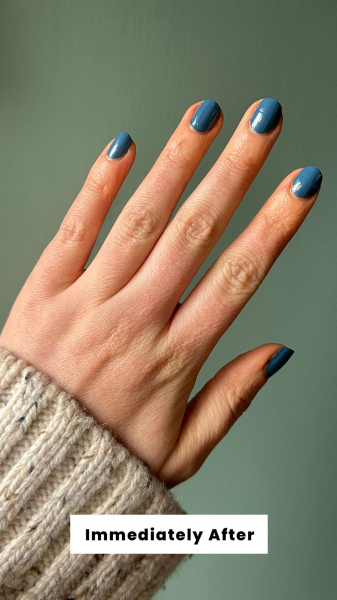
    Allure contributor Kara McGrath immediately after applying the Essie Gel Couture Nail Polish

    Allure contributor Kara McGrath immediately after applying the Essie Gel Couture Nail Polish

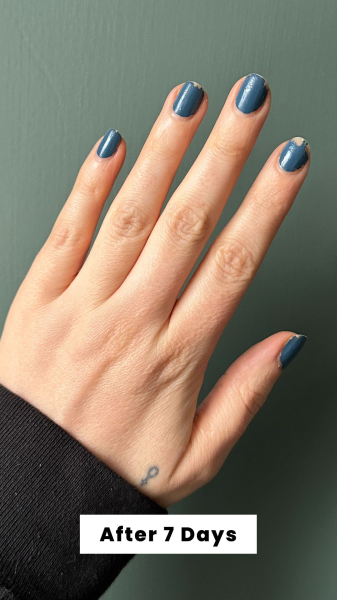
    Kara McGrathHand shot of contributor Kara McGrath seven days after applying the Essie Gel Couture Nail Polish

    McGrath seven days after applying the Essie Gel Couture Nail Polish

    Kara McGrath

    Tester feedback from contributor Kara McGrath

    AccordionItemContainerButtonLargeChevron

    “I have tried a lot of different ‘long-lasting’ nail polishes, and this is still the only one that stays on for a minimum of five days (though I've gotten up to eight before it started showing some wear at the tips). That might partially be because it takes only two coats to get totally opaque color.

    Essie has been one of my favorite polish brands since I started painting my nails in kindergarten, but when the brand swapped in wider brushes in 2018, it truly became the lacquer to beat. That larger brush means fewer strokes to cover your nail, which makes it easier to apply thin layers—a crucial step in creating a long-lasting manicure with regular polish. On a recent test, mine looked almost perfect for five days, only suffering a few chips after some long knitting sessions on the last two days of wear.” —Kara McGrath, contributor

    More to know

    AccordionItemContainerButtonLargeChevron

    • Wear time: 15 days
    • Finish: glossy, shimmer
    • Available shades: 24

    Best for Beginners: Manucurist Green Nail Polish

    Bottle of Manicurist Nail Polish in Lisa Lilas with black cap on light gray backgrounfSave to wishlistSave to wishlist

    Manicurist

    Green Nail Polish

    $14

    Amazon

    $14

    Ulta Beauty

    Why it's worth it: You don’t need a particularly steady hand to get salon-worthy results from Manucurist’s Green Nail Polish (DIY nail newbies, rejoice!). The brush glides easily across each nail and delivers even, glossy color without becoming streaky or difficult to control, which is what makes it especially forgiving for the less-adept among us. Its plant-based formula incorporates bio-sourced ingredients derived from sources like potato, corn, and sugarcane, but you’d never guess it from the performance: Expect rich pigment, serious shine, and professional-level results. (Proof? You can also count nail artists Viktoriia Voloshyna and Vikki Swan as fans.)

    Allure senior beauty editor Jesa Marie Calaor 14 days after applying Manucurist Green Nail Polish

    Allure senior beauty editor Jesa Marie Calaor immediately after applying Manucurist Green Nail Polish

    Jesa Marie CalaorJesa Marie Calaor 14 days after applying Manucurist Green Nail Polish

    Calaor 14 days after applying Manucurist Green Nail Polish

    Jesa Marie Calaor

    Tester feedback from senior editor Jesa Marie Calaor

    AccordionItemContainerButtonLargeChevron

    “If my nails are painted, chances are it’s The Manucurist Green Nail Polish in Bubble. Just two coats of the stuff gives me an opaque, vibrant, streak-free manicure. It dries quickly and takes weeks to chip, despite all of the things I do with my hands (dishes, weight training, and hours of typing away at my laptop) that could potentially ding my nail look.” —Jesa Marie Caloar, senior editor

    More to know

    AccordionItemContainerButtonLargeChevron

    • Wear time: 7 days
    • Finish: various (including glossy, glitter, jelly, shimmer)
    • Available shades: 100+

    Best One-Coat Color: Chillhouse Forever Wear Nail Polish

    Bottle of Chillhouse Forever Wear Nail Polish in "Natty Wine" with white cap on light gray backgroundSave to wishlistSave to wishlist

    Chillhouse

    Forever Wear Nail Polish

    $12 $9 (25% off)

    Amazon

    $12

    Walmart

    Why it's worth it: You probably don’t have an entire afternoon to dedicate to painting your nails. (Same.) Chillhouse Forever Wear Nail Polish is designed to make refreshing your at-home manicure, well, refreshingly low-maintenance. With no base coat required, saturated pigment that shows up with one coat (or two, if you prefer), and a glossy top coat that gives nails the plumped-up look of gel, the smooth formula doesn’t require endless layers to look polished. The glossy lacquer also dries relatively quickly (in about 10 minutes, although you need to be careful for the next couple of hours until it becomes totally smudge-free), meaning less time spent avoiding your phone, clothes, and basically every other object in your vicinity.

    Allure designer Briana Rengifo immediately after applying Chillhouse Forever Wear Nail Polish

    Allure designer Briana Rengifo immediately after applying Chillhouse Forever Wear Nail Polish

    Briana RengifoAllure designer Briana Rengifo 7 days after applying Chillhouse Forever Wear Nail Polish

    Rengifo 7 days after applying Chillhouse Forever Wear Nail Polish

    Briana Rengifo

    Tester feedback from designer Briana Rengifo

    AccordionItemContainerButtonLargeChevron

    “Normally my polish will only last five days before I get some chipping but Chillhouse definitely stood strong and lasted me over a week. Prep is very important as well for a long-lasting manicure, and the polish layered super nicely on top of my base coats. I only needed two layers of polish versus my usual three! The line also has such cuteee seasonal colors, too.” —Briana Rengifo, designer

    More to know

    AccordionItemContainerButtonLargeChevron

    • Wear time: 14 days
    • Finish: glossy, shimmer
    • Available shades: 36

    Best Special Effects: Mooncat Lacquer

    Mooncat Pearl Clutcher Nail Lacquer in branded component on a light gray background with the 2026 best of beauty seal in the top right cornerSave to wishlistSave to wishlist

    Mooncat

    Nail Lacquer

    $15

    Mooncat

    Why it's worth it: Good news if you hate a neutral nail: Mooncat doesn’t really do boring nail polish. Its lacquers come in an almost dizzying assortment of holographic, magnetic, multichrome, glittery, and shimmer-packed finishes that transform depending on the angle and lighting. The payoff is impressive, too: Saturated pigments and dimensional effects make even a simple single-color manicure look like you spent considerably more time on it than you actually did. And because the effects are built right into the lacquer, you can get nail-art-level drama without possessing any actual nail-art skills—a win in our book.

    Allure commerce editor Sarah Han immediately after applying Mooncat Nail Lacquer

    Allure commerce editor Sarah Han immediately after applying Mooncat Nail Lacquer

    Sarah HanAllure commerce editor Sarah Han 7 days after applying Mooncat Lacquer

    Han 7 days after applying Mooncat Nail Lacquer

    Sarah Han

    Tester feedback from commerce editor Sarah Han

    AccordionItemContainerButtonLargeChevron

    “I've never been a neutral polish kinda girl, which is why Mooncat caught my eye in a millisecond—the iridescent/holographic shades, like, C'MON. I'm always admiring my hands in person, and honestly, phone cameras don't do the shades justice! I'm also notorious for chipping my nails by the second or third day but, with the Mooncat topcoat, these polishes last me over a week with minimal chipping—from afar, you can barely see any imperfections. Circle back in a few months and I'm sure I'll have amassed enough Mooncat photos to warrant a dedicated folder.” —Sarah Han, commerce editor

    More to know

    AccordionItemContainerButtonLargeChevron

    • Wear time: Seven to 14 days
    • Finish: various (including glossy, shimmer, holographic, glitter)
    • Available shades: 100+

    Best Shade Range: Olive & June Long Lasting Nail Polish

    Olive & June Long-Lasting Polish in branded component on a light gray backgroundSave to wishlistSave to wishlist

    Olive & June

    Long Lasting Nail Polish

    $11

    Amazon

    $10

    Shop

    $10

    Olive & June

    Why it's worth it: When we want gel polish-like results without whipping out an LED or UV lamp, we reach for one of the 100+ shades (!) in Olive & June’s Long Lasting Nail Polish collection, which won a Best of Beauty Award in 2022 for best longwear polish. Its ultra-wide brush effortlessly creates streak-free strokes, and its pigments are so rich that, depending on the color, you may only need one coat to reach your desired opacity. The best part: You don’t even need a base coat to enjoy this chip-proof polish (but you’ll definitely want to apply a top coat). Psst: If you do want to go the gel route, Olive & June has an entire line of gel polishes that Kandalec gives two thumbs up.

    Allure contributing commerce editor Deanna Pai immediately after applying the Olive  June Long Lasting Nail Polish

    Allure contributing commerce editor Deanna Pai immediately after applying the Olive & June Long Lasting Nail Polish

    Deanna PaiHand shot of Allure contributing commerce editor Deanna Pai seven days after applying the Olive  June Long Lasting Nail...

    Pai 7 days after applying the Olive & June Long Lasting Nail Polish

    Deanna Pai

    Tester feedback from contributing commerce editor Deanna Pai

    AccordionItemContainerButtonLargeChevron

    "I'm a diehard manicure DIYer, which is why I have a million and one Olive & June colors. I've found them to be the quickest to apply with minimal chipping. My hands go through a lot now that I'm a mom—bathtime, post-diaper change handwashing, you get the gist—but this still holds up for a week or more. Plus, I like that I don't need a base coat (it's built in, folks!) and that two coats of color usually dry in about 20 minutes." —Deanna Pai, contributing commerce editor

    More to know

    AccordionItemContainerButtonLargeChevron

    • Wear time: 10 days
    • Finish: various (including glossy, metallic, glitter, jelly)
    • Available shades: 100+

    Best Gel-Like: OPI Infinite Shine Gel-Like Lacquer

    Bottle of OPI Infinite Shine Gel-Like Lacquer in "Berry Pink Shimmer" with silver cap on light gray backgroundSave to wishlistSave to wishlist

    OPI

    Infinite Shine Gel-Like Lacquer

    $14

    Amazon

    $15

    Ulta Beauty

    Why it's worth it: Love the bubble-like look of gel but not the curing lamp or removal process? OPI Infinite Shine Gel-Like Lacquer—another classic Best of Beauty winner—gets impressively close with a traditional polish system. The formula delivers that smooth, high-shine finish you might associate with a salon gel manicure while remaining easy to remove with regular nail polish remover. It’s also available in OPI’s seemingly endless lineup of recognizable shades, so you don’t have to sacrifice your color options for longevity. Used as part of the Infinite Shine system, it can last more than a week, so multiple nail artists recommend it for its long-wearing performance. “This would be my first choice when longer wear is the main priority,” says Voloshyna.

    More to know

    AccordionItemContainerButtonLargeChevron

    • Wear time: 11 days
    • Finish: various (including glossy, shimmer, metallic, pearl, and glitter)
    • Available shades: 100+

    Best Nail Polish Set: Dazzle Dry Truth System Kit

    The Dazzle Dry Full System Kit, including Dazzle Dry Nail Prep, Dazzle Dry Base Coat, Dazzle Dry Nail Lacquer, Dazzle Dry Revive, and Dazzle Dry Top Coat on light gray backgroundSave to wishlistSave to wishlist

    Dazzle Dry

    Truth System Kit

    $100 $80 (20% off)

    Amazon

    $85

    Shop

    Why it's worth it: When used properly (as in, you read and follow the directions), Belakhlef guarantees you can get 10 full days of crack-free color with the Dazzle Dry Truth System Kit. “I love the system, and they have a great range of colors to choose from,” she says. When using Dazzle Dry’s regular nail polish kit, Belakhef suggests letting the polish take its time to dry instead of whipping out a fan to speed up the process —which will cause it to wrinkle—and reinforcing your nail polish color by adding another layer of top coat five days in. Fellow nail artists Swan and De Los Santos also swear by this product, with De Los Santos noting it’s become a favorite among both her and her clients alike. “It has been a game changer for my clients who love getting regular manicures but want longer wear without switching to gel,” she says. “What I love about Dazzle Dry is that it dries in about five minutes and can provide up to two weeks of wear on the hands and up to 30 days on the toes. You still get the experience of a traditional polish manicure, but with the added benefit of faster drying and longer-lasting wear.”

    Tester feedback from contributor Catharine Malzahn

    AccordionItemContainerButtonLargeChevron

    “I fell in love with Dazzle Dry around spring 2020, when most nail salons were shut down in the midst of COVID. I missed my gel manicures but couldn’t do them at home, so I discovered Dazzle Dry. It’s a system, so it does take a few steps to complete the look, but once it’s dry (it really is bone dry in just five minutes!), it’s seriously staying put. I’ve worn it for up to two weeks with no cracks or chips, and the shade range is fantastic. It’s still my go-to years later and doesn’t leave my nails feeling brittle or damaged the way gel can.” —Catharine Malzahn, contributor

    More to know

    AccordionItemContainerButtonLargeChevron

    • Wear time: 10 days
    • Finish: various (including glossy, jelly, holographic, glitter, metallic)
    • Available shades: 100+

    Best Fast-Drying: CND Vinylux Long Wear Polish

    The CND Vinylux Long Wear Polish on a light gray backgroundSave to wishlistSave to wishlist

    CND

    Vinylux Long Wear Polish

    $12

    Amazon

    Why it's worth it: Kandalec is an avid fan of the CND Vinylux Long Wear Polish line—as are we, considering its topcoat won an Allure Best of Beauty Award. Both Kandalec and our editors love its gel-like finish that takes a mere eight minutes of your day to dry down (and only needs a single swipe of an acetone-soaked cotton ball to remove). “It is formulated to adhere to the natural nail directly, so no base coat is used like regular lacquer needs,” she says. We’re also fans of the brush, which makes it easy to lay down smooth, even coats without streaks or dragging—even if your DIY manicure skills aren’t exactly salon-level. Plus, the extensive shade selection means there’s plenty to choose from whether you’re loyal to classic reds and neutrals or prefer something a little more trend-forward.

    Tester feedback from Malzahn

    AccordionItemContainerButtonLargeChevron

    “DIYing my manicure can feel a little daunting to me, especially when it’s time to paint with my non-dominant hand, but this little CND bottle makes me feel so much more confident. I love the consistency of this formula as well as the brush, both of which help the polish go on so smoothly and easily—even for me, who is nowhere near expert level when it comes to doing my own nails. This makes it much more approachable when I’m doing my own nails. Plus, it lasts for weeks when I use it on my toes.” —Catharine Malzahn, contributor

    More to know

    AccordionItemContainerButtonLargeChevron

    • Wear time: 7 days
    • Finish: glossy, shimmer, glitter
    • Available shades: 100+

    Frequently Asked Questions

    Why does my nail polish always peel off after a few days?

    If your fresh manicure starts lifting after only a few days, the polish might not be to blame. According to Voloshyna, the health of your nails can play a role. “One reason may be a very soft or flexible natural nail,” she says. “When the nail bends, the layer of polish can crack or separate more quickly.” Peeling at the tips can also take some of the polish along with it, while frequent water exposure and using your nails to open, scrape, or pick at things can put additional stress on the free edge.

    But before you resign yourself to perpetually chipped polish, take a closer look at your prep, says Swan. Any lingering oil, lotion, moisture, or cuticle on the nail plate can prevent polish from adhering properly. Swan also cautions against applying overly thick layers: “Two thin coats are always better than one heavy coat.” For the best shot at a longer-lasting manicure, start with completely clean, dry nails, avoid painting immediately after prolonged water exposure, keep polish off the surrounding skin and cuticles, and try not to use your fingertips as tools (so, use an orange stick to remove excess polish from around the nail bed, for instance).

    Is it possible to make nail polish dry more quickly?

    Yes—which means you don’t necessarily have to spend the next hour afraid to touch anything. “There are quick-dry sprays and drying drops that can help speed up the drying process,” says De Los Santos. She’s also a fan of a quick-dry topcoat, which can help accelerate drying while giving your manicure that glossy, freshly painted finish.

    Your application technique matters, too. Applying thin, even coats rather than thick layers doesn’t just help prevent cracks or chipping, but it also “allows each layer of polish to dry more efficiently and can help cut down on your overall drying time,” De Los Santos says. So keep those layers light and reach for a quick-dry topcoat when time (or patience!) is running low.

    How can I make my nail polish last longer?

    According to Belakhlef, prepping your nails before applying nail lacquer is key to extending the life of your at-home manicure’s color. Her words of wisdom: Always follow the directions of the system you are using, and, if you’re going to use a gel polish, make sure your gel lamp is compatible with the products you need to cure, as under-curing could lead to skin irritation. “Do not over-buff your nail plate as the damage will also affect your nail’s ability to hold the polish in place,” she adds.

    New York City-based nail artist Elle Gerstein adds that ensuring your nails are clean of dirt, lint, and oil is key for a long-lasting, smooth finish. “Begin by scrubbing your nails with an antibacterial soap and think of it like washing your face—be thorough,” she says. “Let the nails dry and then use isopropyl alcohol (75% and up) to cleanse the nail.” She says doing this will act like an astringent and eliminate any dust and debris from your nailbed. “This will create a flawless, ultra-glossy, long-lasting, and fast-drying manicure,” she says. Before you reach for a bottle of acetone-based nail polish remover to cleanse your nails, Gerstein notes that acetone can leave debris on the nail and cause polishes to chip faster or not dry. “It’s like painting on oil, which never dries,” she says.

    After prepping, using a proper base coat that has a sticky, rubbery base will latch the polish onto your nails for longer, according to Gerstein (she recommends Orly’s Bonder Rubberized Base Coat, by the way). For an ultra-shiny finish and added barrier of protection against scuffing, swipe on a top coat like the Allure Best of Beauty Award-winning CND Vinylux Long Wear Top Coat, let your look dry, and take on the world and all it has to throw at your perfectly manicured hands.

    Meet the experts

    • Erica De Los Santos, a New Jersey and New York City-based nail artist and educator
    • Vikki Swan, a Los Angeles-based award-winning nail educator, international nail competition judge, and founder of Vikki Swan Nail Academy
    • Viktoriia Voloshyna, a Beverly Hills-based international judge, award-winning nail educator, and founder of Tory Pro Nails Studio
    • Sonya Belakhlef, a New York City-based nail artist
    • Julie Kandalec, a New York City-based nail artist
    • Elle Gerstein, a New York City-based nail artist

    How we test and review products

    When Allure tests a product, our editors look at it from every angle in an effort to best serve you. We review ingredients, scrutinize brand claims, and, when necessary, examine peer-reviewed scientific and medical studies. In addition to testing each and every product that's included in each and every review, we rely on experts who shape their fields, including dermatology, cosmetic chemistry, and medicine, to help us vet the ingredients and formulas.

    For our list of best long-lasting nail polish, we considered each product's performance across five primary categories: product ingredients and efficacy, packaging, fragrance, texture, and product wear. Every product was determined to have excelled in each category by our editorial team, which is composed of in-house writers and editors as well as contributors—along with special consideration from board-certified dermatologists. To learn more information on our reporting and testing processes, read our complete reviews process and methodology page.

    Our staff and testers

    A beauty product is a personal purchase. You might be searching for a face cream to address persistent dryness or a new nail product to add to your Sunday self-care routine; you may simply be browsing around for the latest launches to hit the hair market. No matter what you seek or your individual needs and concerns, Allure wants to ensure that you love anything we recommend in our stories. We believe that having a diverse team of writers and editors—in addition to the wide range of outside testers and industry experts we regularly call upon—is essential to reaching that goal.

    After all, can we really say a skin-care product is the "best" for people over 50 if the only testers we've solicited opinions from folks who have yet to hit 30? Can we honestly deem a high-end diffuser worthy of your hard-earned cash if it's never been tested on curls? We're proud that our staff spans a wide range of ages, skin tones, hair textures, genders, and backgrounds, which means that we are able to fairly assess any beauty product that comes into the beauty closet.

    Upgrade your at-home manicure set with these editor-approved additions:

    • The Best Cuticle Treatments That Moisturize Dry, Brittle Skin
    • These Hand Creams Instantly Soothe Dry, Cracked Skin
    • 7 Best LED Lamps for a Pro-Level At-Home Manicure
  • Meow! Megan Thee Stallion’s Platinum Cat-Ear Updo Couldn’t Be Cuter—See the Photos

    Meow! Megan Thee Stallion’s Platinum Cat-Ear Updo Couldn’t Be Cuter—See the Photos

    Megan Thee Stallion poses at an event in a black dress and waves. She wears red lipstick.Getty ImagesSave StorySave this storySave StorySave this story

    Is it cheesy to say that Megan Thee Stallion's latest hairstyle is the cat's meow? Because it is—literally and figuratively! The rapper told her longtime stylist and best friend Kellon Deryck that she wanted her hair to look like cat ears, and he very much delivered, crafting a hairstyle that is as whimsical as it is glamorous.

    Megan, who is gearing up for the release of her new album ACT III and just dropped a “Tina Tuesday Freestyle" to get us excited for what's to come, showed off the cat-ear updo on her Instagram and TikTok and had fans purring enthusiastically over the look.

    Deryck gathered up the platinum blonde lengths and rolled them into two equal portions on either side of Megan's head, pinning and sculpting them to resemble the pointed shape of a cat ear. At the tip of each “ear” was a small section of peachy-pink color; just the palest, subtlest touch of that same shade was repeated at the tips of her long bangs. It appears that the cat-ear updo was for a project or a photoshoot, but we'll have to stay tuned for more info.

    TikTok content

    If you follow Megan on TikTok, you'll know that she recently adopted an orange cat who she calls Miso; the cat apparently wandered into the studio when she was recording and Megan began feeding her—and thus, a beautiful friendship was born! Miso makes frequent appearances on Megan's TikTok; this one of the two showing off their claws is worth a watch if you need a little cuteness injection in your Monday routine.

    Megan's kitty-ear hairstyle is the perfect inspo for a cute, easy Halloween hair look if you want to take the traditional cat costume up a notch, but as she proves here, it's also very wearable for every day. That said, the Hot Girl Coach is gearing up for her favorite season; it's simply not October without her famous pumpkin head pics, and we know she's got some amazing costumes planned. Just a few more weeks 'til Halloween!

  • ‘The Swan’ Ended 20 Years Ago. Its Plastic Surgery Legacy Lives On.

    ‘The Swan’ Ended 20 Years Ago. Its Plastic Surgery Legacy Lives On.

    Personal portraits of contestants from 'The Swan' and stock images of plastic surgery objectsPhotos: Courtesy of Kari Bravata; Everett Collection; Getty imagesSave StorySave this storySave StorySave this story

    Never one for reality TV, I didn’t watch a single episode of The Swan when it aired 22 years ago. While I was vaguely aware of its existence and the extreme plastic surgery premise, it didn’t seem particularly outrageous at the time. This was peak makeover era, after all—content like this defined the early aughts. If a show didn’t shock or mock, it didn’t rate. And, back then, our collective tolerance for bad behavior was shamefully high.

    My first real exposure to the show came just days ago in the form of the new Hulu documentary The Swan: Behind The Mirror. Now a journalist whose decade-long beat has been plastic surgery, I emailed my editor at Allure after watching it (thrice): “As a supporter and frequent defender of plastic surgery, I feel rattled by this viewing experience.” Beyond the ugly-duckling implications and the patent objectification and humiliation of women, the show’s portrayal of plastic surgery itself struck me as dark and sort of sickening.

    As the documentary explains, Fox initially presented The Swan to the public as inside-out makeovers intended to restore beauty and confidence. The show would provide contestants (“broken women,” by their own description) with cosmetic interventions as well as personal training, nutritional guidance, psychotherapy, and life coaching (courtesy of the show’s creator, Nely Galán). But as one Swan producer shares in the documentary, the network’s true mission quickly became clear: "We’re gonna take ugly chicks and make them hot.” After three months of mandatory surgeries, dental work, starvation, and squats, the contestants see their reflections for the first time during a dramatic onscreen reveal. They’re then forced to compete in a beauty pageant, wearing lingerie and swimsuits, which Galán considers to be the ultimate motivator. “It’s enough to kill yourself,” she remarked in a 2004 interview. (In the documentary, contestants reveal that they were not made aware of the pageant element until weeks into filming.)

    Behind the Mirror opens with a flashback to season two: Swan contestant, Kari Bravata, on the operating table, her vitals tanking as nurses struggle to rouse her from anesthesia. Cut to present day: Kari, alive and well, is sharing a sofa with her sister, Gina (also a Swan), and recounting her experience for the cameras. “I almost died for reality television,” she says.

    Image may contain Accessories Jewelry Necklace Earring Face Head Person Photography Portrait Happy and Smile

    From left: Gina and Kari Bravata before participating in season two of The Swan.

    Image may contain Face Head Person Photography Portrait Accessories Jewelry Necklace Blonde Hair Happy and Smile

    From left: Kari and Gina during The Swan season two production, 2004.

    A moment later, we see one of The Swan’s plastic surgeons, Randal Haworth, MD, known for his cutting critiques. (Terry Dubrow, MD, whom one contestant describes as “warm and funny,” played the good cop to Haworth’s bad.) Offering no apologies, Dr. Haworth tells us, “Plastic surgery is barbaric. You’re putting a cold scalpel onto flesh and certain things fail.” This is not a 2004 take, mind you, but Dr. Haworth explaining his craft in 2026. The Swan’s depiction of this doctor, past and present, is disturbing. Callous and offensive then, and ostensibly unrepentant now—even with the benefit of hindsight, he describes the show as “empowering”—he plays the stomach-turning stereotype of a plastic surgeon, seeming almost like a spoof of himself. We reached out to Dr. Haworth this week to ask if he had comment after watching the documentary and he said, “I agreed to participate in the documentary in good faith and spoke candidly because I believed it was important to have the perspective of someone who was actually there. Having now watched it, I do feel some of my comments lost important context in the edit. The former contestants deserved the space to tell their stories fully, and I only wish some of my own explanations had been given the same room.”

    Was the approach we saw to plastic surgery in The Swan the norm in 2004? Did the outlandishness of the aughts fuel this sort of behavior? No idea. In 2004, I was 27 and not interested in plastic surgery the way some 20-somethings are today. As someone who now covers the field almost exclusively, I’ve come to know many of the surgeons behind the scalpels. In my experience, the best of them—the sources I call on most frequently—possess credentials and compassion in equal measure. That’s my view of the field through an admittedly modern lens.

    Looking back, Beth Lay, the first runner-up from season one, says of The Swan surgeons, “I think they had to dehumanize us, because ultimately we were just a job.” Multiple procedures were foisted upon the contestants, and while some Swans voiced concerns, most acquiesced, believing they had no choice but to submit to the prescribed surgeries. “I was told that if I didn’t get everything that was on my list, I would be sent home,” Lay says. “I didn’t feel like I could say, ‘No, I don’t want that,’” adds Cindy Ingle, a season-one Swan. Turns out, they weren’t wrong: “The women had maybe 1% say over which procedures they had," notes a Swan producer.

    Image may contain Face Happy Head Person Smile Adult Blazer Clothing Coat Jacket Accessories Jewelry and Ring

    Cindy Ingle, a season one Swan contestant, in The Swan: Behind The Mirror.

    Hulu

    In the documentary, we also learn that each woman was put under anesthesia for 10 hours while Haworth and Dubrow performed as many procedures as possible to achieve dramatic, high-impact overhauls. Dr. Dubrow, who did not participate in the film, told Vice in a 2024 video series, “I think in the two weeks of everyday surgery that we did, we did something like 200 plastic surgery operations on these patients. That was more than [what] a typical plastic surgeon would do in an entire year.”

    Given how The Swan has aged, one might assume its surgeons have had a certain pall cast over them, but no—both are still practicing successfully in Beverly Hills and have robust followings on social media. Both include The Swan on their websites, Dr. Haworth with considerable detail. He actually attributes his success, in part, to The Swan, noting: “Even though it’s been a number of years since the last episode aired, we still get calls in the office from prospective patients who mention The Swan as their inspiration for coming in to meet us.” Perhaps testament to how the culture around plastic surgery may have evolved less than we think, there are still people seeking out a surgeon who has said things, publicly, like “This nose has got to go.”

    The Swan didn’t just center, but really celebrated, a plastic surgery dynamic of misogyny and shame.

    In his statement to Allure, Dr. Haworth said, “I’ve changed enormously in 22 years, both as a surgeon and as a person, and I’m comfortable looking critically at the show through the lens of 2026. There are aspects of the format, the language, and the way physical transformation was presented that I would approach differently today… The Swan absolutely deserves to be reexamined, including its shortcomings. My hope is that the conversation can make room for both the women’s experiences and the full context of what happened behind the scenes.” He continued, “I take seriously the women who now describe parts of the experience as difficult or painful, just as I respect those who remember aspects of it positively. There clearly was no single ‘Swan experience.’”

    Dr. Dubrow went on to star in E!’s long-running Botched (and its various spin-offs) and appear alongside his wife, Heather Dubrow, in Bravo’s The Real Housewives of Orange County. He declined to be interviewed for the Behind the Mirror documentary, however. When I first heard this, I felt heartened, thinking maybe he wanted to distance himself from the show. But according to Vanity Fair, he had asked for “an incredible amount of money to participate”—a figure that Behind the Mirror director, Erin Lee Carr, told the outlet was neither possible nor appropriate. When Allure reached out to Dr. Dubrow for comment on that assertion, and on the new documentary, his representative shared this statement: “Twenty-three years ago, I was one of two plastic surgeons on The Swan. Today, I sat down and listened to the stories of Delisa, Gina, Kari, Tawnya, Kristy, Cindy, Beth, Dore, and Kelly. I want to thank each of them for sharing their experiences so openly. Their voices deserve to be heard, and I recognize the weight of what they’ve shared. I take seriously my role in the series and the responsibility that comes with revisiting that chapter of television history. I wish each of them continued healing and peace moving forward.” Dr. Dubrow’s representative did not address our request for comment on the statement regarding payment from the director of Behind the Mirror.

    The Swan didn’t just center, but really celebrated, a plastic surgery dynamic of misogyny and shame. It normalized medical care that in many ways disempowered patients. This is what I found most unsettling as I watched the documentary. Well, this and the show’s unholy recovery scenes. We see the women wake from surgery, heavily bandaged, incoherent from anesthesia, and already swollen and bruised beyond recognition. For many viewers, these images likely served as a ghastly introduction to plastic surgery, long before social media desensitized us to the healing journey that now often goes viral. After a single day in aftercare, the contestants were shuttled back to their apartments where, at a certain point, there was reportedly one nurse tending to 20-plus women. The Swans say they helped each other through the post-op misery—the lipo leaks and endless icing—all while battling depression and homesickness. (During the filming, one contestant lost a beloved uncle, another discovered she had cancer, and a third was served divorce papers.)

    In the early postoperative period, with nose splints and chin straps still firmly in place, the Swans are shown back in the gym, being berated by trainers during twice-daily workouts. In this most critical phase of recovery, they subsisted on (sponsored) Jenny Craig microwavable meals, which “tasted like bad decisions and regret,” one contestant recalls in the documentary.

    “What people expect us to regret the most is the surgery—that was the taboo or bad part. I don’t regret the surgeries. I just regret that the process…tore us down quite a bit.”

    For me, it’s impossible not to compare the contestants’ ordeal to the plastic surgery experience sold to us today on promises of safety, informed consent, realistic expectations, optimized aftercare, and natural results—a refreshed version of yourself. Or at least a version that your children will recognize (which was, unfortunately, not the case for poor Beth in season one). Modern surgeons boast about their trauma-limiting techniques. They choreograph procedures carefully, aiming to limit anesthesia to six hours. They issue strict dietary guidelines and exercise restrictions to minimize post-op swelling and bruising and thwart complications. They design aftercare protocols complete with luxury suites, private nursing, healing hyperbaric oxygen, lights and lasers, lymphatic massages, supplements, and swag.

    How do we reconcile our current impressions of plastic surgery with the culture of cruelty that was embraced by The Swan not all that long ago? Have we been too blithe in accepting the sanitized marketing for ‘glow up’ facelifts and minimally invasive boob jobs—get on the waitlist, go into hawk—certain that the shame and misogyny of the Swan era are entirely behind us. And what about plastic surgeons writ large? How are they reckoning with the legacy of The Swan—“the most sadistic reality show ever made,” as one commentator described it in Behind the Mirror—and their profession’s toxic ties to it?

    Image may contain Adult Person Conversation Accessories Jewelry Necklace Head Face Blonde and Hair

    Kari and Gina Bravata, season two Swan contestants, in The Swan: Behind The Mirror.

    Hulu

    Twenty-two years out, Swan contestants are still grappling with the consequences of their own “afters”—hardened and ruptured implants, faulty veneers, “destroyed” gums. (They claim they were dismissed from the show without any follow-up care or support.) For some, the damage is more psychological. “I went home feeling emotionally scarred from the situation,” Lay says in Behind the Mirror. “It makes me feel so frustrated and ashamed [to know] that I participated in and fed into the world’s view of beauty.”

    Dr. Haworth is less contrite in the film. “I think The Swan did a pretty good job at trying to show the ‘warts and all’ of the process,” he says. Though he acknowledges that “some of the Swans did struggle with the aftercare.”

    As the documentary wraps up, a tearful Kristy Garza, watching snippets from season one, says she feels sorry for that version of herself—a young girl just desperate to be pretty. Season two’s sisters, Gina and Kari (the one who nearly died), tell us that despite all they went through, The Swan experience didn’t sour their opinion of plastic surgery. “What people expect us to regret the most is the surgery—that was the taboo or bad part,” says Gina. “I don’t regret the surgeries. I just regret that the process…tore us down quite a bit.”

  • Cynthia Erivo Put a Colorful Croc Spin on a Classic French Manicure

    Cynthia Erivo Put a Colorful Croc Spin on a Classic French Manicure

    Cynthia Erivo wears a blue jacket sunglasses and bold jewelry with a multicolored manicure.Getty ImagesSave StorySave this storySave StorySave this story

    Dorothy's rainbow wasn't a huge plot point in the Wicked movies, but it's definitely one of the key elements of the Oz story. And while Cynthia Erivo may have left Oz behind for new roles, a little trace of said rainbow remains… on her manicure!

    The Oscar-nominated actor is known for her incredible nail art; we still think about some of the designs she wore during her Wicked press runs, and we continue to take notice of what she's wearing on her nails and when. For Paris Fashion Week, Erivo took a basic French manicure motif to a whole new world of color and texture by adding a cool croc detail to her multicolored tips.

    Cynthia Erivo wears a white top and sports a long French manicure with multicolored textured croc tips.Getty Images

    Erivo prefers a long, stiletto-shaped nail, and her manicure, which she wore to several shows—including Dior and Chloé—stuck to that shape. Each tip was painted a different vivid, jewel-tone color, including ruby red, emerald green, sapphire blue, and topaz orange, plus an amethyst purple. Erivo's nail artist didn't stop there, however; they added a croc effect atop the bright colors to give them an extra dose of luxurious texture. Though it doesn't seem like a multicolored manicure would be the best pick for an outfit-changing event like Paris Fashion Week, it's actually genius, because the different hues manage to match everything!

    Cynthia Erivo poses at Fashion week in a blue jacket and multicolored French manicure.Getty Images

    Though Erivo is all about bedazzled, bejeweled nail art, including the aforementioned molten gold Oscar manicure with a clock charm embedded into one design, she's also a fan of the French tip—with a very Cynthia spin, of course. Shortly before her 2025 Tonys hosting gig, Erivo was spotted in a unique curved two-tone French design in shades of Dorothy-esque ruby. For more colorful mani inspo, peek at Dua Lipa's recent French, which included a whole painter's palette of summer-meets-fall hues on the base and tips. Ooh la la indeed!

  • GLP-1s May Significantly Increase Your Risk of Nail Detachment

    GLP-1s May Significantly Increase Your Risk of Nail Detachment

    An image of a hand with a blacktipped manicure to illustrate a story about GLP1 potentially casing nail detachments.Jason KimSave StorySave this storySave StorySave this story

    As GLP-1 usage becomes more mainstream, a range of side effects have been reported both clinically and anecdotally, from nausea and diarrhea, to hair loss. A new study flags yet another potential repercussion of using a GLP-1: detached nail beds.

    The study, which was presented at the European Academy of Dermatology and Venereology Congress 2026, compared health data from 575 people in the U.S., France, Brazil, and Mexico who used GLP-1 receptor agonists like semaglutide (Ozempic and Wegovy) and tirzepatide (Mounjaro and Zepbound) to 1,329 people with type 2 diabetes or obesity who had never used the medications.

    The researchers discovered that 66% of people who used a GLP-1 medication reported having at least one nail disorder, a 13% uptick from people who had never used this medication class. Those complications included nail detachment (also known as onycholysis, which is when the nail separates from the nail bed, per the Cleveland Clinic) which impacted 39% of GLP-1 users and 9% of controls. Nail discoloration affected 46% of GLP-1 users vs. 17% of controls.

    The study didn’t prove that GLP-1 medications directly caused these nail health complications. Rather, it found a link. “Until now, nail changes associated with GLP-1 therapies had essentially been anecdotal,” study co-author Charles Taïeb, MD, a dermatologist at Necker University Hospital in Paris, said in a statement. “Our findings show a clear association, but they also underline an important point: Not everything that happens during GLP-1 treatment is necessarily caused by the treatment itself.”

    Still, dermatologists and a doctor who prescribes GLP-1s tell Allure they’ve seen this before.

    Why GLP-1s may lead to nail detachment.

    Many of the side effects that can come with GLP-1 use are linked to weight loss, not the medications themselves. In this case, though, the uptick in nail issues was higher among GLP-1 users regardless of the weight lost, suggesting a more direct impact from the medication, although the study cautions more research is needed.

    However, nail issues following weight loss isn’t unheard of. “This is uncommon overall, but we do see it with our surgical weight loss patients as well,” says Mir Ali, MD, medical director of MemorialCare Surgical Weight Loss Center at Orange Coast Medical Center in Fountain Valley, CA. That being said, Dr. Ali agrees that nail detachment “seems to be independent of the weight lost,” based on the findings and his personal experience with patients.

    Ife J. Rodney, MD, founding director of Eternal Dermatology + Aesthetics in the Baltimore-Washington metropolitan area, says that the higher risk of nail detachment is “not surprising” to her, comparing this side effect with the hair loss that can come with GLP-1 use due to both weight loss and genetic factors. (Nails and hair are both primarily made of the protein keratin, and protein intake often drops with GLP-1 use as patients have a reduced appetite, which is often a concern for providers.)

    Doctors tell Allure that nail detachment is likely related to nutritional deficiencies, too. People using GLP-1 medications often take in less calories than usual, which makes it harder to meet thresholds for vital nutrients like protein, iron, and B vitamins, all of which support nail growth, per Dr. Ali.

    “As a result, your body may not produce nail plates as efficiently or may even stop producing the nails temporarily,” which leads to nail breakage and detachment, Dr. Rodney says. “It’s not that GLP-1s are directly toxic to the nails, but the body has other concerns outside the nails when you’re in this state of nutritional deficiency.”.

    It’s important to see a dermatologist if you experience nail detachment.

    Nail detachment can be uncomfortable, but it also should prompt an evaluation by a healthcare professional. “A true nail detachment warrants a visit to your dermatologist to make sure there is no infection or inflammation” says Gary Goldenberg, MD, assistant clinical professor of dermatology at Icahn School of Medicine at Mount Sinai Hospital in New York City.

    Nail bed detachment can be caused by other medications, including the antibiotic tetracycline and oral retinoids like Accutane, along with underlying thyroid disease, making it important to determine what’s driving the symptom, according to Dr. Rodney.

    Nail detachment is treatable, and treatment depends on the severity of detachment. “There is a risk that the nail could hook on something and rip off, leading to pain and bleeding,” Dr. Rodney says, adding that a dermatologist may trim the nail or surgically remove the part that is detached to prevent further injury.

    A dermatologist may also recommend taking supplemental biotin, along with a prescription topical nail medication called Genadur that strengthens nails, according to Dr. Goldenberg. A doctor may even suggest putting minoxidil, the active ingredient in Rogaine, on nails, or take an oral form of minoxidil, according to Farah Moustafa, MD, dermatologist and director of Laser and Cosmetics at Tufts Medical Center in Boston.

    Simple adjustments may lower the risk of nail detachment.

    More research into the link between GLP-1 usage and nail detachment is needed, but doctors agree that focusing on balanced nutrition while using these medications can help support nail health. That includes having ample protein intake and taking supplements as directed by the prescribing doctor, Dr. Ali says.

    At the same time, Dr. Moustafa encourages eating a diet with a wide variety of nutrients. “Biotin, vitamin B12, vitamins A, C, and E, and minerals such as iron and zinc can play a role for hair and also nail formation,” she says. Eggs, salmon, sunflower seeds, and almonds are all good options.

    Dr. Ali recommends continuing to follow up regularly with your healthcare provider while taking a GLP-1 and noting any new side effects. “If necessary, they will order blood work and check other parameters to lower the risk of future side effects,” Dr. Ali says.